Advertisement
Mudavadi: Kenyans in Russia paid Ksh3M upon joining, Ksh350K monthly
Thursday 02nd April, 2026 07:17 AM|

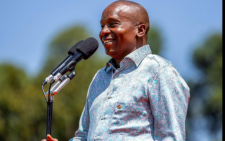
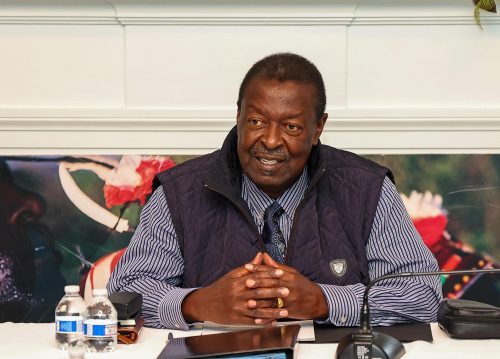
Prime Cabinet Secretary (PCS) Musalia Mudavadi has revealed the amount of money Kenyans recruited in the Russian military earn as the call intensifies to rescue them.
The disclosure came as the State outlined the scale of enlistment and the measures being taken to stop further recruitment and repatriate affected citizens.
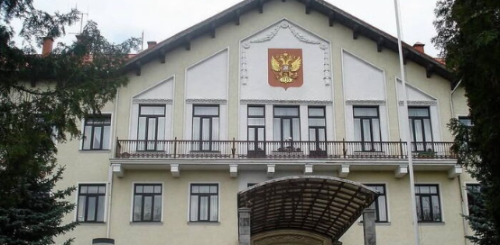
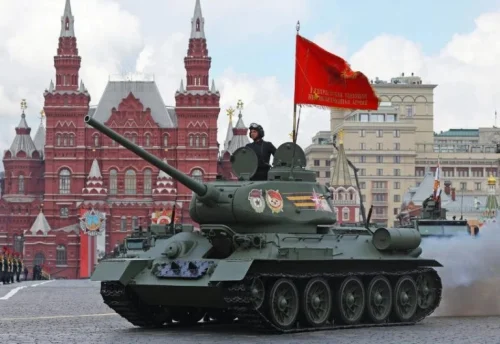
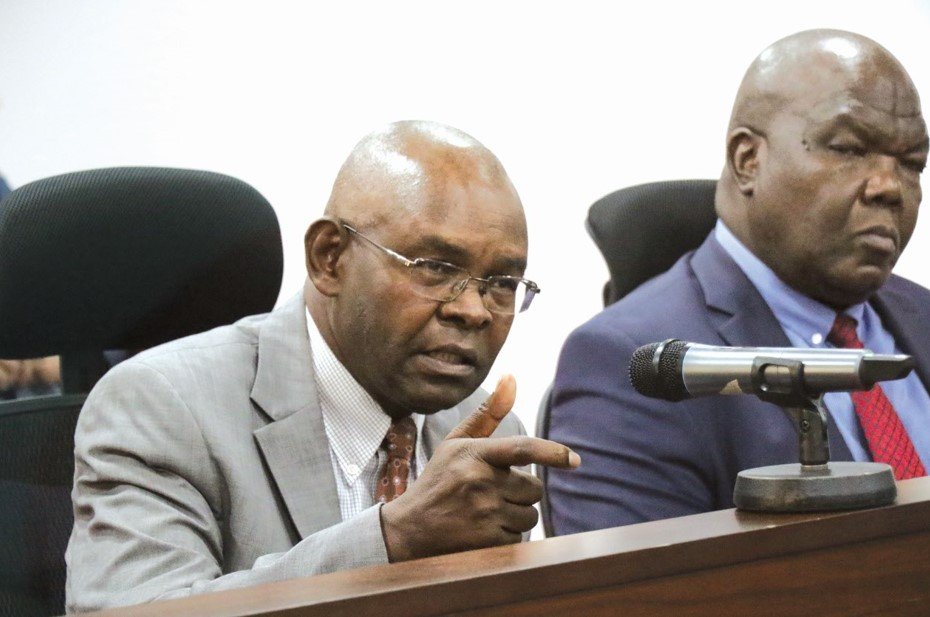
Appearing before the National Assembly on April 1, 2026, Mudavadi said Kenya’s embassy in Moscow estimates that about 252 Kenyans may have been recruited into Russia’s Special Military Operations, although the actual number could be higher.
“Kenyans recruited into the Russian military received signing bonuses of up to Ksh3 million and monthly salaries of up to Ksh350,000,” he told lawmakers.
You Might Also Like

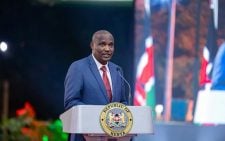
He said So far, 47 Kenyans have been rescued and safely repatriated to the country with the help of the Kenyan embassy in Moscow.
“The data from our embassy in Moscow indicate that approximately 252 Kenyans may have been enlisted in the Russian special military operations. The number could be higher, but the exact figure is yet to be conclusively established. To date, 47 Kenyans have been rescued, with the Kenyan Embassy in Moscow facilitating their safe repatriation home,” he said.
Two Kenyans, identified as Evans Kibet and Macharia Willi Muniu, are confirmed prisoners of war held by Ukrainian authorities.
“The Kenya Honorary Consul in Kiev, Ukraine has been making consular visits to one Kenyan held in Ukraine and has requested the Ukrainian government for clearance to undertake a consular visit to a second Kenyan. At the moment, these are the only cases for which we have confirmed information,” the PCS said.
Mudavadi added that the government remains in contact with Ukrainian authorities to secure the safety and eventual repatriation of any Kenyan captured during the fighting.
Kenya has also engaged the Russian government to explore arrangements that would allow any Kenyan prisoners of war held in Ukraine to be transferred to Russia, to facilitate their return home through diplomatic channels.
The statement revealed that as of the end of March 2026, more than 1,000 Kenyan nationals were lured into the conflict.
About 300 of them are students, while roughly 450 are engaged in various economic sectors across the country.
Investigations by the government established that the recruitment of Kenyans into the Russian military was largely conducted by unregistered agencies and individuals operating in Kenya, Russia and third countries such as Qatar and the United Arab Emirates.
These groups used tourist visas and indirect travel routes through neighbouring countries to bypass strict checks at Kenyan exit points.
Mudavadi said recruitment mainly targeted former security officers and unemployed persons.
However, authorities also noted cases where Kenyans employed in legitimate security jobs in the Middle East abandoned their posts and voluntarily joined Russia’s military operations.
He warned that ongoing instability in parts of the Middle East could increase the risk of further recruitment of Kenyans through third countries.
Unavoidable financial rewards
Mudavadi told Parliament that, contrary to some reports, most Kenyans who joined the Russian military did so knowingly and willingly.
They signed contracts to serve either in logistics roles or in combat units.
The main attraction was financial reward, as recruits were offered signing bonuses of between Ksh1.5 million and Ksh3 million, monthly salaries ranging from Ksh50,000 to Ksh350,000, promises of Russian citizenship, and large gratuity payments upon completion of their contracts.
In response to the situation, Mudavadi led an official delegation to Moscow between March 16 and 18, 2026, to push for an end to further recruitment, facilitate the repatriation of Kenyans willing to return home, and secure better consular access to those hospitalised or affected by the conflict.
During talks with Russian Foreign Minister Sergey Lavrov, Kenya was placed on a stop list, effectively ending the enlistment of Kenyans into Russia’s Special Military Operations.
Russia also agreed to allow consular access, facilitate voluntary disengagement from military service, and speed up compensation to families through diplomatic channels.
Mudavadi said the government will continue diplomatic engagement and enforcement actions until all Kenyans who wish to return are brought home and illegal recruitment networks are dismantled.
Author
Latest News



Advertisement
More on News