Advertisement
MPs urged to impose harsher penalties in Strategic Goods Control Bill 2026
Saturday 06th June, 2026 07:36 AM|

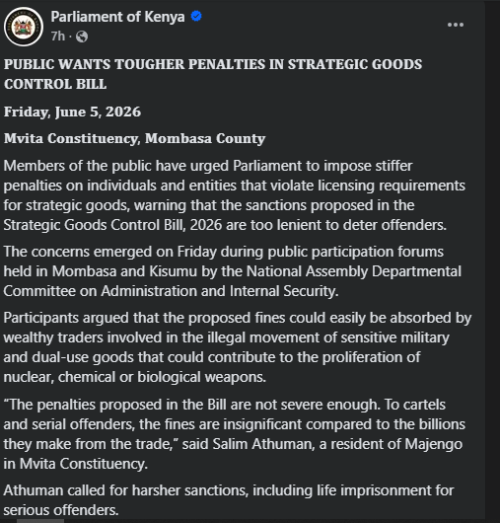
Members of the public have urged lawmakers to strengthen penalties proposed in the Strategic Goods Control Bill, 2026, arguing that the current sanctions are too lenient to deter individuals and entities involved in the illegal trade of strategic goods.
In a call during public participation forums organised by the National Assembly Departmental Committee on Administration and Internal Security in Mombasa and Kisumu on Friday, June 5, 2026, participants expressed concern that the fines proposed in the bill could easily be absorbed by wealthy traders and criminal networks dealing in sensitive military and dual-use goods that could contribute to the proliferation of nuclear, chemical, or biological weapons.
“The penalties proposed in the Bill are not severe enough. To cartels and serial offenders, the fines are insignificant compared to the billions they make from the trade,” said a participant.
He urged lawmakers to consider tougher sanctions, including life imprisonment for individuals found guilty of serious offences under the proposed law.
You Might Also Like


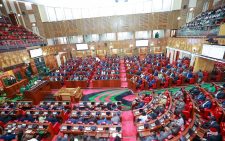
The Strategic Goods Control Bill, 2026, seeks to establish a legal framework to regulate strategic goods, including military equipment and dual-use technologies that can be used for civilian purposes but may also be used in the development of weapons of mass destruction.
Proposed legislation of Strategic Goods Control Bill, 2026
Under the proposed legislation, offenders could face fines of up to Ksh50 million or imprisonment for up to 10 years for violating licensing requirements or engaging in illegal trade. Lesser offences would attract fines of up to Ksh20 million, while unauthorised possession of controlled goods could result in fines of up to Ksh5 million or a jail term of up to three years.
Stakeholders also called on Parliament to avoid creating additional agencies to enforce the law, arguing that existing institutions already have the capacity to undertake the regulatory role.
Speaking during the exercise in Mombasa on Friday, June 5, 2026, members of the committee led by Saku Member of Parliament Ali Raso said the proposed legislation is aimed at enhancing national security while ensuring legitimate trade activities are not disrupted.
“The objective is to regulate strategic goods entering and leaving the country without disrupting legitimate trade,” Raso said.
Lawmakers assured stakeholders that all views submitted during the public participation process would be considered before the committee finalises its report to Parliament.
“We want a law that protects national security while supporting trade and investment,” he added.
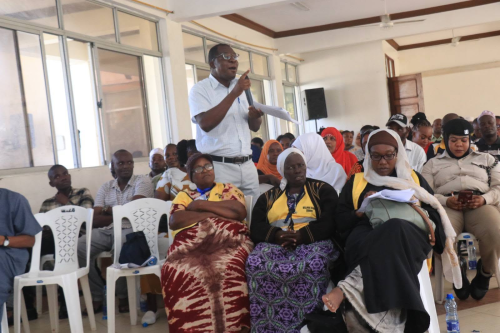
In Kisumu, participants raised concerns over accountability, corruption, representation in the proposed National Control Committee and enforcement mechanisms. Teso North legislator Oku Kaunya said the committee had received valuable submissions and would work on the proposals raised by the public.
“We have received valuable submissions touching on implementation, oversight, accountability and enforcement. Concerns have also been raised that the proposed penalties are too light, and we have taken those views on board,” a committee member said.
The committee is expected to continue collecting views from stakeholders across the country before preparing its report and recommending possible amendments ahead of debate in the National Assembly.
Author
Latest News








Advertisement
More on News