Advertisement
MPs raise alarm over underperforming Hadado Mini-Grid Plant in Wajir
Thursday 16th April, 2026 11:44 AM|
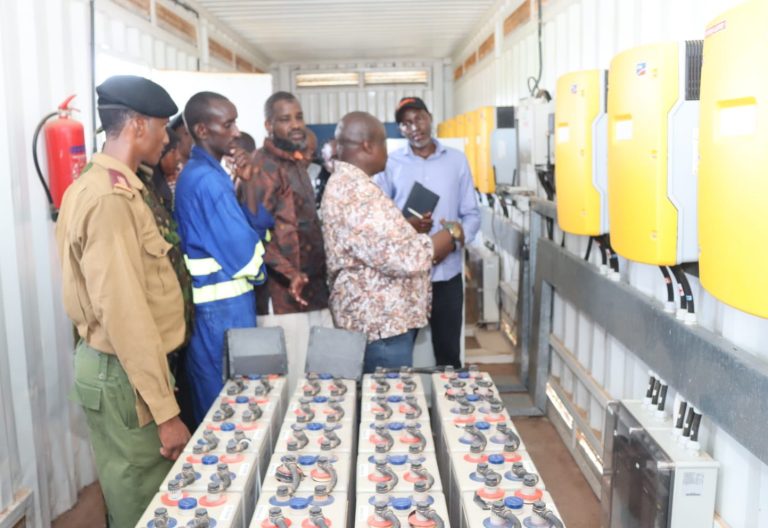
The National Assembly Public Investments Committee (PIC) on Commercial Affairs and Energy has raised concerns about the poor performance of the Hadado Mini-Grid Plant in Wajir West Sub-County after an oversight visit to inspect the project’s status.
Taking it to their social media handles on Thursday, April 16, 2026, the parliament confirmed that the committee, led by its chairperson, David Pkosing, urged the various stakeholders involved to work more quickly to enable the project to be fully operational and help provide reliable electricity to the residents.
“The National Assembly Public Investments Committee on Commercial Affairs and Energy has visited the Hadado Mini-Grid Plant in Wajir-West Sub-County. The committee delegation under the leadership of Chairperson Hon. David Pkosing has reiterated the need for speedy collaboration between the relevant stakeholders to ensure the project is fully functional,” the Parliament statement read in part.
Despite the plant being the sole source of power connection for the larger part of Hadado Sub-County, the mini-grid was found to be not performing optimally, with residents going for most of the days without power,” the Parliament statement added.
You Might Also Like



The committee further noted that even though the mini-grid continues to supply most of the power to a large portion of Hadado, the plant has been identified as operating at lower capacities, and residents have been reported as having spent days without power.
The delegation, which included Wajir West MP Yusuf Farah, Laikipia East MP Mwangi Kiunjuri, and Laikipia North MP Sarah Korere, noted that there were a few important components at the station that were either obsolete or not functional. These involve solar energy storage batteries and the backup generator, which also impact service delivery.
MPs propose increase in household power connections
The MPs also instructed that more households should be linked to the grid, as the system can serve more users.
“Another 300 households should be connected since the mini-grid can serve that number of people, and residents must be connected via the Last Mile Connectivity programme without making any upfront payments,” Pkosing said.
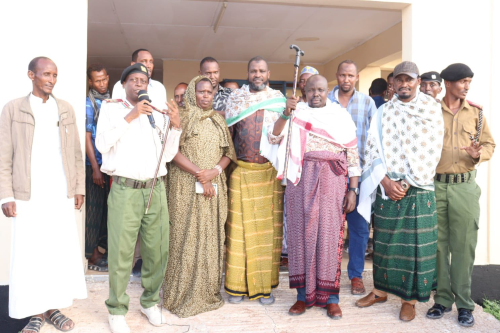
The Rural Electrification and Renewable Energy Corporation (REREC), Kenya Power, and other agencies involved undertook to solve the identified problems before August of this year.
The visit shows how Parliament has become more vigilant about the performance and sustainability of the rural energy infrastructure projects around the country that are being undertaken.
Author
Latest News








Advertisement
More on News