Advertisement
MPs demand transparency in Kenya Pipeline privatisation plan
Tuesday 12th August, 2025 09:45 PM|
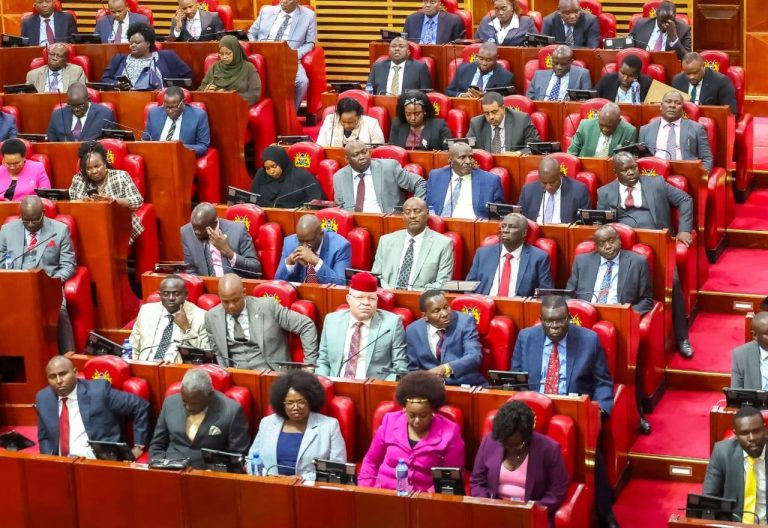
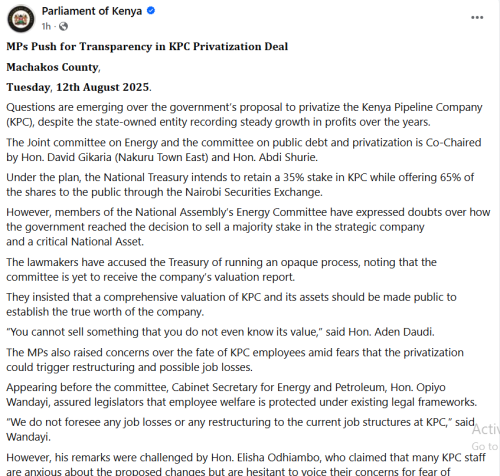
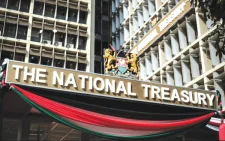
The proposed privatisation of the Kenya Pipeline Company (KPC) has sparked heated debate in Parliament, with Members of Parliament (MPs) demanding greater transparency from the National Treasury.
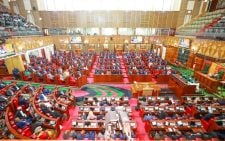
During a sitting on August 12, 2025, it was noted that despite KPC’s consistent profit growth, the government plans to sell a 65 percent stake through the Nairobi Securities Exchange (NSE), retaining only 35 percent ownership.
Outlined in Sessional Paper No. 2 of 2025, the move seeks to raise Ksh100 billion to fund the current budget and prevent delays in development projects. However, legislators say the plan risks compromising a strategic national asset.
Treasury on the spot
The Joint Committee on Energy and the Committee on Public Debt and Privatisation, co-chaired by Nakuru Town East MP David Gikaria and Abdi Shurie, have questioned the basis of the Treasury’s decision. Lawmakers criticised the lack of a valuation report, warning that the sale should not proceed without a public, comprehensive assessment of KPC’s assets.
You Might Also Like


“You cannot sell something that you do not even know its value,” Aden Daudi stressed the need for full disclosure to establish the company’s true worth. MPs insisted that any transaction involving KPC must be backed by verifiable data to safeguard public interest.
Concerns over job security
The proposed sale has also raised fears about possible restructuring and job losses. Gem MP Elisha Odhiambo told the committee that KPC staff are anxious but hesitant to speak out for fear of victimisation. “Most KPC employees are afraid to speak openly, but the true position is that they are distressed by the proposal,” he said.
Appearing before the committee, Energy and Petroleum Cabinet Secretary Opiyo Wandayi assured that employee welfare is protected under existing laws. “We do not foresee any job losses or any restructuring to the current job structures at KPC,” he said.
The Treasury, led by Cabinet Secretary John Mbadi, has defended the plan as a way to create fiscal space without raising taxes.
“Raising taxes at this point is not an option. Privatisation will give us fiscal space while avoiding more burdens on taxpayers,” Mbadi said.
He cited reforms such as e-procurement and tighter accountability measures to curb waste.
MPs, however, urged the government to fix leakages in ministries and agencies before disposing of a profitable entity. They warned against trading long-term strategic control for short-term fiscal relief.
The proposal has been referred to the joint committees for further scrutiny. A second meeting with Treasury officials and the Attorney General’s office is scheduled before final recommendations are made. Public participation is ongoing, with Kenyans invited to submit their views by August 13.
Author
Latest News





Advertisement
More on News