Advertisement
Motorists warned as NTSA enforces speed limits in camera-monitored zones
Friday 05th June, 2026 01:38 PM|
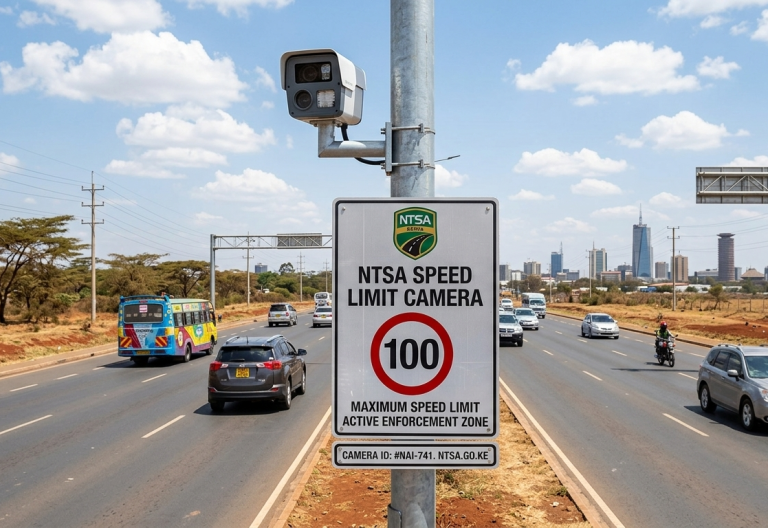
Motorists using major roads in Nairobi have been put on notice following the enforcement of speed limits across key highways, bypasses and urban corridors that are monitored by traffic surveillance cameras.
The speed restrictions, which vary depending on the road section, are aimed at enhancing road safety, reducing accidents and improving compliance with traffic regulations in the capital.
Along Thika Road, motorists can move up to 110 km/h near the Safari Park area.
However, the speed limit drops to 80 km/h in several sections, including the Jomoko–Thika Turnoff stretch, Allsops and GSU areas, as well as the Pangani and Muthaiga interchanges.
You Might Also Like
The Roysambu and TRM section has limits ranging between 80 km/h and 100 km/h.
Nairobi Expressway
On the Nairobi Expressway and its connecting routes, drivers travelling between Museum Hill and Westlands are required to maintain a maximum speed of 80 km/h, while the Red Hill section has a lower limit of 50 km/h.
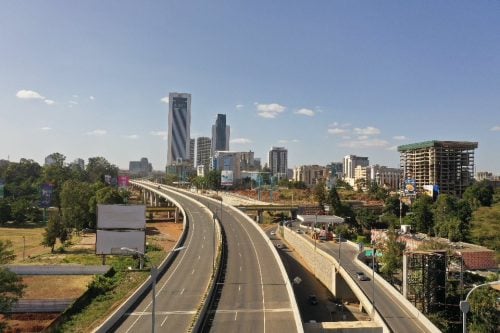
Mombasa Road users are advised to observe an 80 km/h limit between Nyayo Stadium and Sameer Business Park, as well as along the Cabanas and JKIA approach section.
Waiyaki Way and Lang’ata Road limits
The Kangemi–Uthiru stretch carries speed limits of between 60 km/h and 80 km/h, while the Lang’ata Road section near Uhuru Gardens is capped at 50 km/h.
The Southern Bypass, both on the Kikuyu side and near the Ngong Road interchange, has an 80 km/h speed limit. Similar limits apply on the Northern Bypass between Ruaka and Ruiru and on the Western Bypass around Ruaka and Wangige.
How instant fines work
This comes as the NTSA introduces instant fines for motorists with minor traffic offences, as they can simply pay the prescribed fine without any court appearance.
After capturing an offence, the system automatically sends an SMS to the registered owner of the vehicle informing him or her of the violation and the fines to be paid.
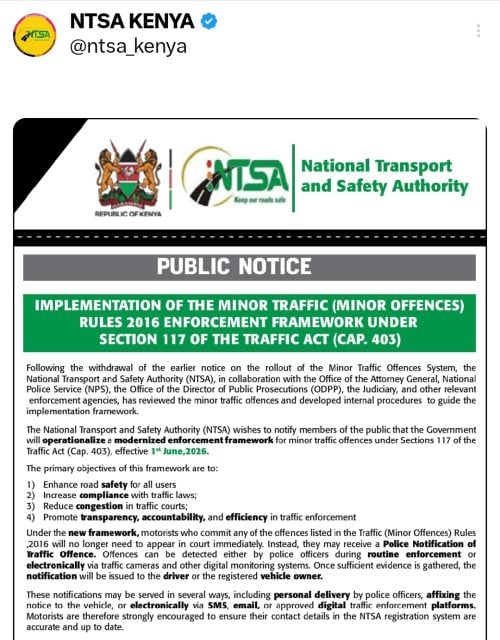
The photographic evidence that will be obtained by the cameras will be sent along with the fine notice to ensure that motorists can establish the validity of the charge.
As regards the issue of how the motorists will be aware of the locations of cameras and what the limits are, NTSA’s Kondiwa indicated that every part of the road which will be covered by cameras will be well-marked with adequate speed limit signs as a way of giving the motorists enough time to notice them.
He also explained that fines should be paid in a specified time frame, which is now seven days, through specified methods like the use of the KCB Group network and that default in paying fines may cause more sanctions and limits on the use of NTSA services.
Among the offences attracting fines are driving a vehicle without properly affixed number plates, operating a vehicle without a valid inspection certificate, causing obstruction on a road, employing an unlicensed PSV driver, and failing to install a speed governor in a PSV or commercial vehicle.
Author
Emmanuel Rono
Rono is a digital journalist with a proven track record in newsroom leadership and content creation. Currently a Digital Writer for People Daily Digital, Emmanuel’s career is rooted in a lifelong passion for storytelling. Let's talk here: [email protected] or [email protected]
View all posts by Emmanuel RonoLatest News







Advertisement
More on News