Mbadi sets the record straight on the use of infrastructure fund
By Mabonga Makhanu, December 10, 2025Treasury Cabinet Secretary John Mbadi has clarified that the soon-to-be-launched National Infrastructure Fund (NIF) will be exclusively dedicated to infrastructure development and not debt repayment.
Speaking during a morning radio show on Wednesday, December 10, 2025, Mbadi addressed growing questions around the fund’s purpose and its financing model.
He explained that the NIF will draw its resources from the privatisation of state-owned enterprises, including the proposed sale of the government’s 15 per cent stake in Safaricom, projected to raise Ksh240 billion following the deal with Vodacom, and the planned listing of the Kenya Pipeline Company (KPC) through an IPO.
Also watch: Ruto signals IFC interest in Kenya’s infrastructure fund projects.
Additional contributions will come from national budget allocations, natural resource revenues, and private sector investments. The fund will be managed by a new institution currently under formation.
Mbadi emphasised that the NIF will support only commercially viable public infrastructure projects.
He noted that financing will be directed toward projects capable of generating revenue to sustain themselves and replenish the fund. Non-commercial projects that cannot pay for themselves will not qualify.
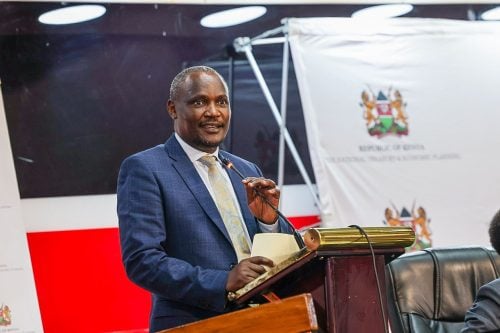
He added that the fund is designed as a revolving mechanism to ensure long-term sustainability and continuous financing for national development priorities.
“It is not going to be spent on anything else, apart from infrastructure development, and not just commercially viable public infrastructure projects; that is the bottom line,” Mbadi stated
He also revealed that he was scheduled to meet the Head of State later in the day to review progress in establishing the fund’s management structure and operational framework.
According to Mbadi, the only portion of the NIF that may be redirected will be a small allocation to the Sovereign Wealth Fund. This is intended to preserve part of the proceeds from the sale of public assets for future generations.
Debt situation
Mbadi reiterated that none of the proceeds from privatisation or government divestiture will be used to settle public debt or finance recurrent expenditure.
He acknowledged that Kenya’s debt currently accounts for roughly 50 per cent of ordinary revenue, describing the burden as constraining but still manageable through tax collection.
He explained that the NIF could only support debt repayment indirectly by stimulating economic growth through improved roads, dams, airports, and other projects which would expand the tax base and make repayment easier over time.