Advertisement
Mbadi: Debt strategy shielded Kenya from recession risks
Tuesday 26th August, 2025 05:56 PM|
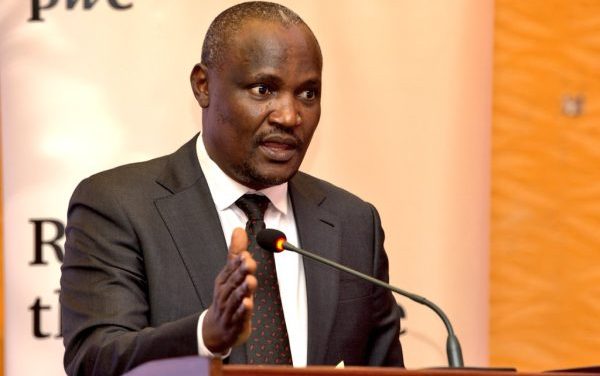
Treasury Cabinet Secretary John Mbadi has attributed Kenya’s narrow escape from a sovereign default and economic recession to prudent debt management strategies adopted earlier in the year.
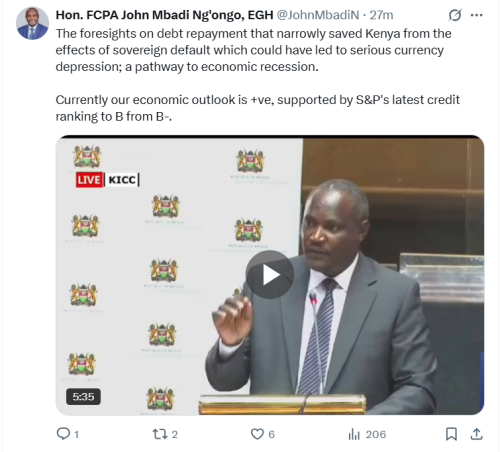
In a statement posted on X dated August 26, 2025, Mbadi said the measures shielded the economy from a potential currency collapse and recessionary spiral.
“The foresight on debt repayment narrowly saved Kenya from the effects of sovereign default, which could have led to serious currency depression – a pathway to economic recession,” Mbadi noted, underscoring the impact of timely interventions.
Improved outlook
Mbadi’s remarks come against a backdrop of a more positive economic outlook for Kenya, following Standard & Poor’s recent credit rating upgrade from B- to B.
You Might Also Like


He pointed out that while progress is evident, the cost of servicing Kenya’s public debt remains unsustainable, with nearly half of government revenue being directed toward repayment obligations.
“You have been informed that we have been consuming 48 per cent of our ordinary revenue to service loans in terms of interest. That is not sustainable,” he warned, calling for urgent reforms to ease fiscal pressure.
Kenya’s fiscal challenges were particularly acute earlier in the year when a $2 billion Eurobond matured in June, sparking fears over repayment and sending the shilling into a downward spiral. Government interventions, Mbadi said, helped stabilise the situation.
“Because of what the government did then and now in terms of managing our liability and the debt first, the shilling appreciated and has stayed for over one year,” he explained.
Currency stabilised
The Central Bank of Kenya (CBK) has also reinforced this outlook in its latest bulletin, noting the shilling traded steadily at 129.24 to the US dollar as of August 21, 2025, unchanged from the previous week despite global volatility.
The CBK attributed the stability to strong foreign exchange reserves, which stood at USD 11.037 billion, covering 4.8 months of imports—well above the statutory threshold. “The usable foreign exchange reserves remained adequate at USD 11,037 million (4.8 months of import cover) as of August 21,” CBK stated, pointing to prudent economic management amid global shocks.
Balancing debt and growth
Looking ahead, Mbadi emphasised the need for sustainable fiscal reforms as the Treasury prepares to present the next budget. He acknowledged the twin challenge of managing high debt levels and rising expenditure while avoiding excessive taxation.
“The National Treasury faces the challenge of balancing high debt, increased expenditure, and demands for resources while meeting Kenyans’ expectations of not being overtaxed. We must spur economic growth,” he said.
Even as the World Bank revised Kenya’s 2025 growth outlook downwards to 4.5 per cent, Mbadi expressed optimism that careful policy measures would cushion the economy from external shocks and sustain recovery.
Author
Latest News








Advertisement
More on News