Matiang’i calls for transparency, parliamentary oversight in energy sector governance
By Emmanuel Rono, May 22, 2026Former Interior Cabinet Secretary Fred Matiang’i has called for sweeping reforms in Kenya’s governance systems, urging increased transparency in public finance management and stronger parliamentary oversight, particularly in the energy sector.
Speaking in a presser on Friday, May 22, 2026, Matiang’i said Kenya had made significant strides since independence but warned that governance gaps were undermining public trust and effective service delivery.
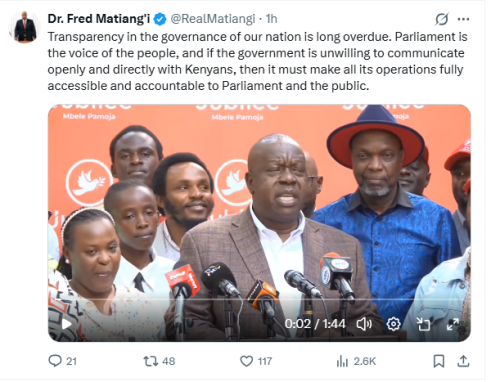
“Kenya deserves better. We have been independent for the last 63 years, and we are respected in the region and globally, but we must do better,” Matiang’i said.
Transparency and accountability
According to Matiang’i, the future administrations must prioritise transparency and accountability, especially in the management of petroleum and road maintenance funds.
He said citizens have a right to know how public resources are utilised.
“Transparency in the governance of our nation is long overdue. Parliament is the voice of the people, and if the government is unwilling to communicate openly and directly with Kenyans, then it must make all its operations fully accessible and accountable to Parliament and the public,” Matiang’i said.
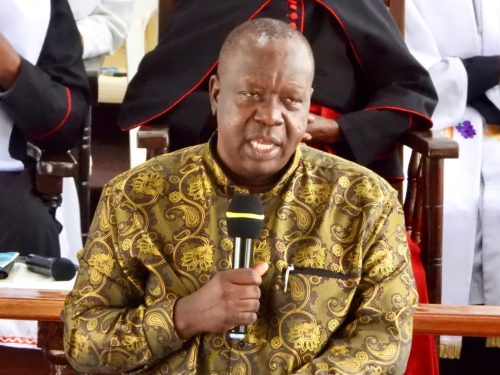
Matiang’i also raised concerns over potential conflicts of interest in the energy sector, cautioning against government involvement in commercial fuel business activities while still retaining regulatory control.
He also questioned the lack of openness in government-to-government (G2G) fuel procurement arrangements, suggesting that Parliament should play a more central role in scrutinising such deals.
“We will not engage in a conflict of interest. We will not lead a government where we ourselves are doing business in the oil sector,” he said, warning that such arrangements weaken oversight and regulation.
“Elected members of parliament ought to be told and ought to be informed about everything that is happening by the government. So if they don’t trust the rest of us, even with the so-called G2G, why don’t they take it to parliament? Our representatives are in parliament. I would be very happy and satisfied if members of parliament were taken through all this and all this information was given to them.”