Matatu stakeholders call off strike after talks with Ruto
By Emmanuel Rono, May 22, 2026Transport stakeholders have called off their planned nationwide strike over rising fuel prices following talks with the government at State House in Mombasa.
Speaking on Friday, May 22, 2026, at State House, Mombasa, Matatu Owners Association chairman Albert Karakacha said transport operators have agreed not to proceed with the industrial action as negotiations with the government continue.
The stakeholders said the agreement was reached after joint consultations with transport sector stakeholders.
“We have called off the strike. We had suspended it, but we are now calling it off, so we will not have a strike next week. We are going to work,” Karakacha said.
The stakeholders had earlier suspended their strike on Friday, May 22, 2026, for one week to pave the way for consultations aimed at resolving the dispute over soaring fuel costs that have pushed up transport fares and the cost of living across the country.
Karakacha said the transport sector would work closely with the government to address concerns surrounding fuel prices and the challenges facing operators.
Matatu strike
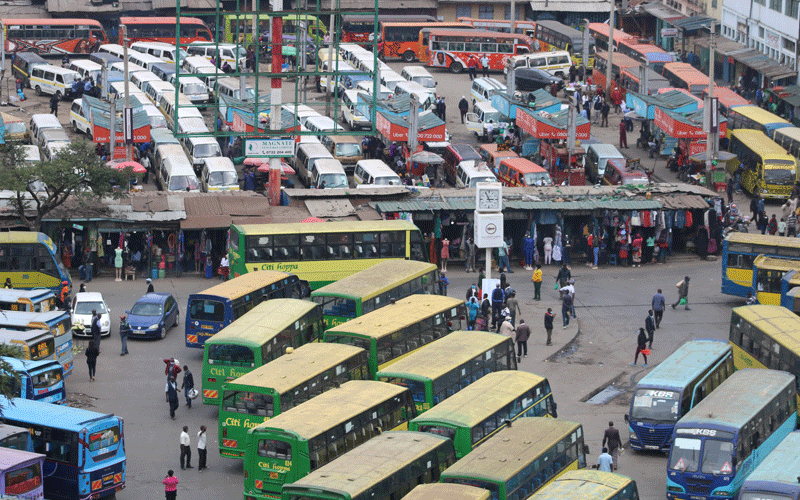
The nationwide strike began on Monday, May 18, 2026, following sharp increases in fuel prices that triggered protests from matatu operators, truck drivers, boda boda riders, and other transport stakeholders.
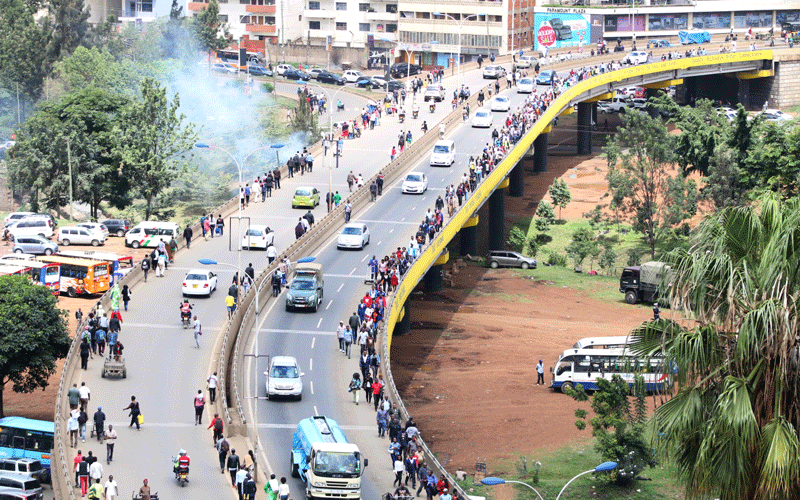
The demonstrations paralysed transport in Nairobi and several major towns, leaving thousands of commuters stranded and forcing many Kenyans to walk long distances to work and school.
Transport operators had demanded deeper reductions in diesel prices, arguing that the rising cost of fuel had made operations unsustainable.
Fuel new prices
The government announced a Ksh10 reduction in diesel prices and adjusted kerosene prices as part of efforts to reduce fuel adulteration linked to the large price gap between diesel and subsidised kerosene.

Interior Cabinet Secretary Kipchumba Murkomen said the government was responding to global fuel price pressures linked to the Middle East crisis and noted that measures such as VAT reductions and fuel stabilisation subsidies had already been implemented.