Maraga details how he was treated at the police station after arrest
By Sharon Atieno, June 10, 2026Former Chief Justice David Maraga has detailed how he was treated at the Lang’ata Police Station after being arrested while protesting the planned excision of the Nairobi National Park.
Speaking to a local radio station on Wednesday, June 10, 2026, the emeritus chief justice recounted being handled with care and respect, as some of the officers at the station informed him that his status as a senior citizen meant he could simply return home.
“When I went to the police station, I was told that since I am a senior citizen, I can go home,” Maraga explained.
According to Maraga, the protesters were headed to the Kenya Wildlife Service (KWS) headquarters to present a petition challenging the planned excision of 89 acres of the park for the construction of a 1,300-capacity car park and the relocation of the animal orphanage.
Earlier on Tuesday, June 9, 2026, the presidential hopeful in the upcoming general elections in 2027 condemned what he termed a heavy-handed response by the state, saying the actions of police amounted to a violation of constitutional freedoms.
“The sheer force of the state’s response to a handful of peaceful citizens exercising their right to dissent is abhorrent and unacceptable,” he stated.
Maraga’s take on preserving the park
Addressing what pushed him to the streets, Maraga warned against approving development projects that compromise environmental protection, saying Kenya risks eroding critical natural heritage sites if proper safeguards are ignored.
The emeritus chief justice cautioned that development should never come at the expense of the environment, pointing to ongoing debates around proposed changes affecting the Nairobi National Park.
“Development should not be at the expense of the environment,” Maraga said.
Concerns over Nairobi National Park proposal
Maraga raised concern over proposals linked to the expansion and reallocation of land within the Nairobi National Park area, arguing that such decisions require strict public participation and transparency.
He noted that arguments have been made suggesting parts of the park are congested, particularly due to traffic flow and increased human activity, with proposals initially indicating land adjustments of about 76 hectares, later reported to have expanded to 89 hectares.
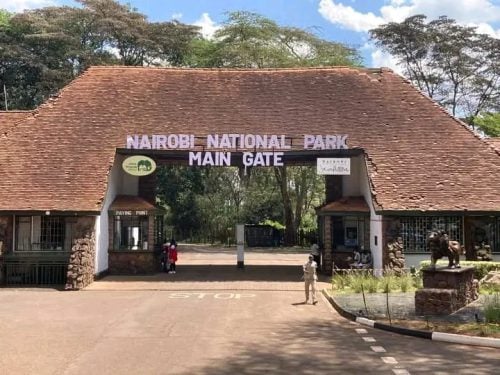
Environmental stakeholders have also questioned whether adequate consultation was conducted, with concerns that public participation processes may not have fully captured the views of Nairobi residents.
According to critics, only limited engagement was reportedly extended to select non-governmental organisations before approvals were made for land excision said to be about 78 hectares, intended to facilitate relocation of facilities and infrastructure developments, including a proposed car park with capacity for 1,300 vehicles.
Warning over long-term environmental cost
Maraga cautioned that such decisions could set a dangerous precedent for the protection of Kenya’s most important ecological and tourism assets.
“Nairobi National Park is the only national park located within a capital city, and it is extremely important,” he said, warning that continued encroachment could undermine Kenya’s global tourism appeal.
He added that weakening environmental protections could lead to further encroachment on protected areas under the guise of development.
“At this rate, we may even find ourselves hosting global events like a World Cup and considering building stadiums inside protected parks,” he cautioned.
The remarks come amid growing debate over balancing infrastructure expansion, public participation, and environmental conservation, particularly in sensitive ecological zones such as Nairobi National Park.