Lawyer Evans Ndong’: Constitution was butchered in Gachagua’s impeachment ruling
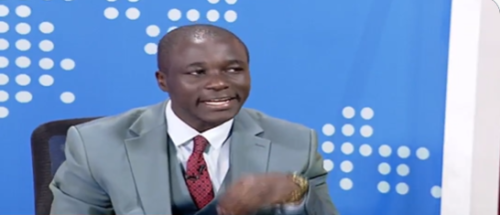
By Faith Lagat, June 9, 2026Lawyer Evans Ndong’ has criticised the High Court ruling on the impeachment of former Deputy President Rigathi Gachagua, arguing that the court failed to fully remedy what he described as a violation of the right to a fair hearing after finding that Article 50 of the Constitution had been breached.
In an interview with a local TV station on Monday, June 8, 2026, Ndong’ said the bench, comprising three judges, acknowledged a violation of fair hearing rights but did not nullify the impeachment process, which he said should have been the legal consequence of such a finding.
“We may not like Rigathi Gachagua, but we cannot butcher the Constitution in the manner the three-judge bench did today,” he said.
He added that once a breach of the right to a fair hearing is established, the court is required to set aside the outcome of the affected process.
Constitutional arguments and fair hearing debate
Ndong’ argued that the right to a fair hearing under Article 50 is foundational and non-derogable, stating that other constitutional rights depend on it.
He further referenced earlier judicial interpretations that the right to a fair trial remains applicable even in exceptional circumstances, including security-related cases and states of emergency.
“It does not matter whether heavens fall,” he said, emphasising that constitutional protections must be upheld in all situations.
Ndong’ also dismissed the reasoning that the court was constrained by concerns over constitutional stability under Article 145(7), which deals with impeachment procedures and their finality.
He said the provision does not prevent courts from issuing remedies where procedural violations are identified, adding that the remedy should have been the nullification of the impeachment outcome.
Court ruling and compensation award
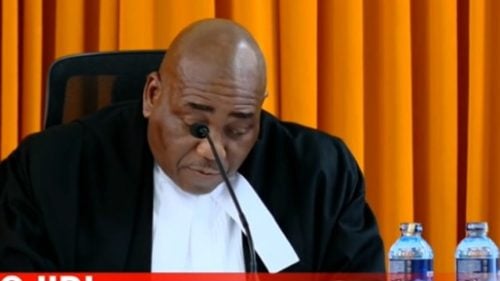
On June 8, 2026, the High Court upheld the Senate’s decision to impeach Gachagua, finding that the constitutional threshold for removal from office had been met.
At the same time, the court found that senators violated his right to a fair hearing after declining an adjournment request on medical grounds. The judges awarded him Ksh50 million in constitutional damages, payable by the Senate.
The court said the award was meant to vindicate constitutional rights, restore dignity, and deter future violations in similar proceedings.
The ruling has been described by some legal practitioners as creating ambiguity, as it upheld the impeachment while also recognising procedural violations.
Legal reactions
Law Society of Kenya (LSK) Council member Charles Kanjama said the judgment raised unresolved questions, particularly on the implications of Article 99(3), which bars individuals removed from office for gross constitutional violations or abuse of office from contesting future elections.
He said the court did not clearly address how the provision should apply in light of its findings.
Kanjama described the ruling as attempting to balance competing legal considerations but noted that not all consequences of the impeachment were fully resolved.
He added that the matter is likely to proceed to the Court of Appeal for further interpretation on constitutional remedies and the scope of judicial authority in impeachment cases.
Gachagua’s legal team has also indicated plans to challenge the decision, setting the stage for further litigation on the constitutional standards governing removal from office and fair hearing protections.