Laikipia North MP Korere seeks more police reservists to curb cattle rustling
By Wanjira Wachira, July 22, 2026For decades, the people of Laikipia North have lived with the constant threat of cattle rustling, armed banditry and insecurity that has claimed lives, displaced families and disrupted livelihoods in the vast pastoral landscape.
Home to the Maasai, Samburu, Turkana and Pokot communities, among others, the constituency has long depended on livestock as its economic backbone, making peace and security critical to the survival of its residents.
The region’s proximity to neighbouring counties that have experienced frequent bandit attacks has often exposed communities to livestock raids, prompting repeated government security operations and the deployment of National Police Reservists (NPRs).
Drawn from local communities, NPRs have become an important link between residents and security agencies, helping police patrol remote areas that are difficult to access.
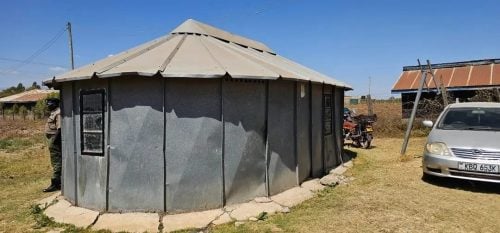
It is against this backdrop that police officers stationed at Ethi Police Station in Laikipia North have received newly constructed residential houses, a move expected to improve officers’ welfare, increase police presence and enhance security operations in the area.
Speaking during the official opening of the new police houses at Ethi Police Station in Laikipia North, area Member of Parliament Sarah Korere announced that the government will recruit additional National Police Reservists to reinforce ongoing efforts to curb cattle rustling and improve security across the expansive pastoral constituency.
Community collaboration
Korere challenged residents to work closely with security agencies, arguing that cattle rustling is often sustained by individuals within local communities who provide criminals with information about potential targets.
“Watu wamesimama kwa kusema madeni ya security. Ni kweli kuna shetani alituingilia hapa, na mimi sikuwele nilikuwa hapa, na nitasema tena hata leo. Hakuna vile muizi atatoka mbali, ati atoke Samburu, akuje aibe mazi, aibe pale Jikaze, aibe chumvi, na hajahi kuja hapa hadi hapa. Mambo ni mawili. Either huyo muizi alikuja akaishi hapa, akawasoma, akajua, ama ako na rafiki hapa. Na mara nyingi wanakuanga na marafiki. Na marafiki wao ndiyo wanawaset, na ndio wanawalete,” she said.
She said that while security agencies continue pursuing armed criminals hiding in Mukogodo Forest, communities must also help identify individuals suspected of aiding cattle rustlers.
“So mimi nasema, hata wakati tumeweka jeshi na security personnel kule Mukogodo Forest wafanye operation, na sisi tufanye operation. Wale wenzetu tuna suspect, tuwashitaki, tuwaikomeshe, ndio wale watulalizwa, hawawawalizwe,” she added.
Korere also appealed to residents in possession of illegal firearms to surrender them voluntarily to the authorities, saying lasting peace can only be achieved through cooperation between communities and security agencies.
More reservists
Besides announcing plans to recruit additional National Police Reservists, Korere said seven more recruits have already been vetted and are expected to undergo training before deployment.
“Na ndio maana mimi nasema hata leo, ile bunduki ya NPR tumewapatia haitoshi, nitaskuma mwongeze. Na ujua hiyo tumepatiana seven additional names, wamevetiwa anytime soon wataitwa waende training na wakaezo bunduki ya NPR,” she added.
The commissioning of the new police houses marks another step in improving security infrastructure in one of Kenya’s most volatile pastoral regions. Better accommodation is expected to keep more officers stationed within the area, reducing response time to emergencies and strengthening patrols across remote villages.
Residents who attended the event welcomed the project but appealed for the provision of a patrol vehicle to improve police mobility, saying the vast terrain often makes it difficult for officers to respond promptly to incidents.
For many families whose livelihoods depend on livestock, the hope is that improved police welfare, more National Police Reservists and stronger collaboration between security agencies and local communities will finally turn the tide against cattle rustling and allow them to live and work without fear.