KNCHR gives protest victims and survivors 21 days to present evidence
By Mabonga Makhanu, March 14, 2026The Kenya National Commission on Human Rights (KNCHR) has announced a 21-day window for victims and survivors of past protests to submit evidence in order to qualify for compensation.
During an interview with a local media station, KNCHR Chairperson Clarris Ogangah stated that the submission deadline is April 3, 2026. She added that the commission has already begun compiling a list of eligible victims, which is expected to be finalised by the first week of April, with compensation scheduled for disbursement by June 2026.
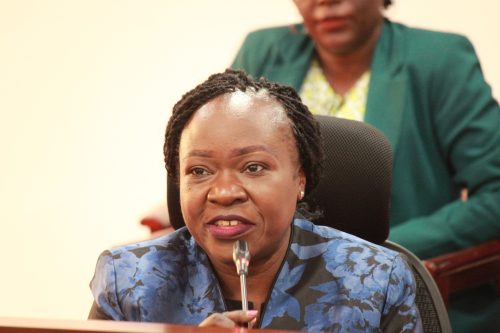
“So what we are hoping to do is to finish the first phase of collection of evidence by the first week of April to allow those who had not reported the incidents anywhere to come forward and present their cases,” Ogangah said.
Victims and survivors are required to submit documentation, including Occurrence Book (OB) reports, medical reports, and post-mortem reports for deceased victims.
Ogangah further revealed that a toll-free number will be provided to guide victims on how and where to submit their evidence.
“There will also be a flyer indicating where to report, along with a toll-free number for those who would like to report. There is quite a large number of people who never reported the incidents because they were afraid of reprisals from the police.”
According to her, this move aims to include the many Kenyans who were injured during protests but never reported the incidents due to fear of police retaliation.
She also issued a warning against submitting false information, emphasising that any attempt to do so would result in legal consequences and prosecution.
With the government’s compensation initiative initially focusing on victims of the 2024 Gen Z protests and the 2017 National Super Alliance (NASA) protests, there is a possibility of extending to incidents as far back as 2013.
The budget for the programme, which is currently capped at Ksh2 billion, may be stretched to cater for the 2013 victims. KNCHR plans to work closely with human rights commissions, families of victims, and human rights organisations to determine the appropriate compensation, taking into account how courts have previously awarded compensation for similar cases.
Additional compensations
In addition to monetary compensation, victims will receive medical and psychological support, as well as formal apologies. The commission is also advocating for reforms within institutions to prevent future occurrences of such violations.
The payment guidelines are expected to be announced in early April 2026, but according to Ogangah they will as liaise with human rights groups and families as well as past courts’ declarations on the compensations to be accorded such victims
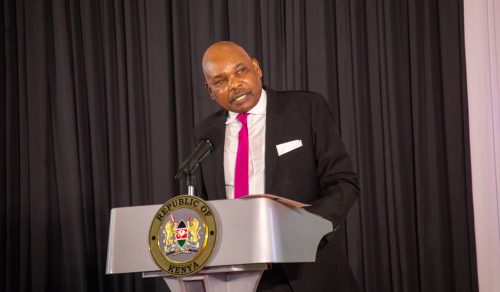
After the courts ruled the committee on compensation of protest victims, which was led by Makau Mutua, unconstitutional and that mandate to be left to KNHCR.
President William Ruto took the commission to develop a framework on the compensation of the said victims