Advertisement
Kidney patients’ dangerous SHA reality
Thursday 10th July, 2025 03:20 AM|
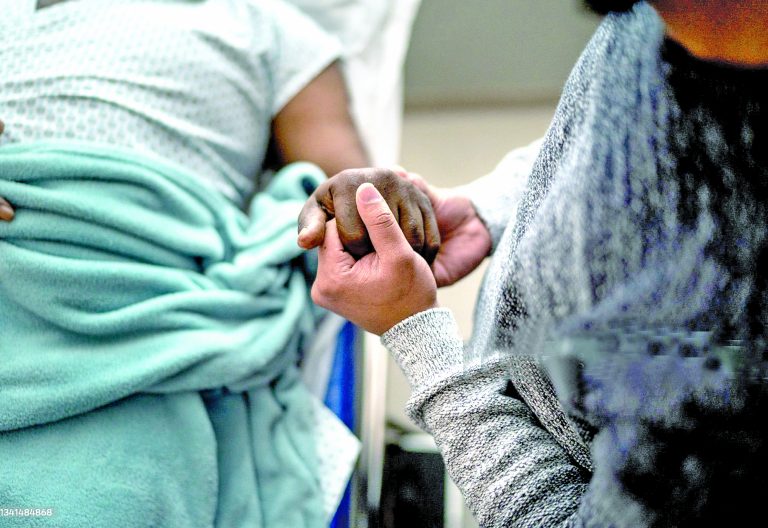
Thousands of kidney patients undergoing life-saving dialysis treatments may be unknowingly walking toward early graves, following a drastic funding cut by the Social Health Authority (SHA).
The recent decision to reduce reimbursement rates by more than half has sent shockwaves through the healthcare system, forcing many dialysis centres to scale back operations and offer compromised, substandard procedures.
Several facilities unable to cope with the cuts have been forced to stop dialysis procedures, while a number of others are offering substandard procedures.
Nephrologists now warn that the shortcuts being used by some facilities to provide half-baked dialysis as a result of the cut-down on reimbursement would have severe health effects on the patients.
You Might Also Like


“Dialysis is a matter of life and death. If the government expects high-quality, guideline-based dialysis care, it must be willing to pay for it. Reimbursement reform is not just necessary—it is urgent,” the Kenya Renal Association warns.
According to KRA data, more than 10,000 Kenyans peg their survival on dialysis as a result of kidney failure. There are 213 centres offering dialysis, out of which 54 are public facilities, 142 private and 17 faith-based.
Many kidney patients shy away from public facilities due to congestion, frequent breakdown of machines, lack of drugs and poor attitude by nurses.
Before the cuts, patients could rely on relatively stable and effective care. Now, however, medical facilities are grappling with financial strain, often unable to afford the necessary equipment, supplies, and qualified personnel required to deliver complete dialysis sessions.
While SHA reimburses Ksh10,650 for each dialysis session, experts in the sector put the cost of a comprehensive haemodialysis at Ksh25,302, which forces them to incur a deficit of Ksh14,652.
“For patients with end-stage kidney disease, this is not just a matter of reduced comfort — it’s a potential death sentence. Regular, full dialysis is essential to replacing kidney function and keeping these patients alive,” says Dr Jonathan Walla, the President of Kenya Renal Association (KRA).
Walla says that when treatments are compromised, patients face heightened risks of severe complications, including fluid overload, infections, cardiovascular issues, and eventual organ failure.
“The entire cost comes to Ksh25,302 while SHA only reimburses Ksh10,000, forcing dialysis facilities to incur huge expenses which have become quite unsustainable to many health proprietors,” says Dr Walla.
Healthcare workers are also feeling the strain.
“We are trying to do our best with limited resources,” said a dialysis nurse at one facility. “But it’s heartbreaking knowing we can’t give our patients the full care they desperately need.”
Advocacy groups and medical professionals are now calling for urgent government intervention, warning that unless the reimbursements are reinstated or alternative funding is secured, the country could soon face a public health crisis.
For many families, the situation is already dire, with loved ones deteriorating despite adhering to their treatment schedules.
Many facilities are now being forced to compel patients to meet the Ksh14,652 deficit, and those unable are either being accorded half-baked dialysis or are turned away.
Mary Atieno, a 56-year-old kidney patient undergoing dialysis in Parklands, Nairobi, says she now pays Ksh43,956 out of pocket every week to cover three standard dialysis sessions — an amount far beyond what most Kenyans can afford.
“The Ksh10,650 provided by SHA is a drop in the ocean,” Atieno says, “Those of us who can’t afford to pay the deficit are forced to settle for a reduced procedure — but the danger of substandard dialysis is terrifying. You can feel your health deteriorating.”
With the funding crisis worsening, advocacy groups, health workers, and professional bodies are calling for urgent government intervention.
“This is not just about numbers or policies — it’s about real people, real families, and real lives,” Dr Walla adds.
“Every week that passes without action brings more suffering and pushes more patients toward preventable deaths.”
Dr Walla and other nephrologists say the cost of consumables and operations has increased dramatically due to inflation, exchange rate fluctuations, and supply chain issues.
“This massive debt has caused many facilities to opt out of SHA contracts, downscale operations, or close down entirely. Patients are now being turned away or facing reduced session availability, leading to treatment gaps and long travel distances,” says Dr Brian Lishenga, the President of Rural and Urban Private Hospitals Association of Kenya (RUPHA).
The KRA is now urging the government to reassess and raise the reimbursement per session to reflect current costs, clear the Ksh10 billion arrears inherited from NHIF to stabilise the sector and ensure that funding includes clinical reviews, medications, labs, vascular access procedures, and infection control.
The association also wants the implementation of a reliable, timely SHA payment mechanism to build provider confidence.
Author
Print Reporter
View all posts by Print ReporterLatest News






Advertisement
More on News