Advertisement
Khalwale says drug lords should join Kenyan women in foreign prisons
Tuesday 06th January, 2026 02:55 PM|

Kakamega Senator Boni Khalwale has spoken out on the growing number of Kenyan women jailed abroad over drug trafficking, saying the people who profit most from the illegal trade often escape punishment.
In a statement shared on X on Tuesday, January 6, 2026, the outspoken senator linked the suffering of Kenyan women to global narcotics networks that recruit vulnerable young people while shielding the real beneficiaries from justice.
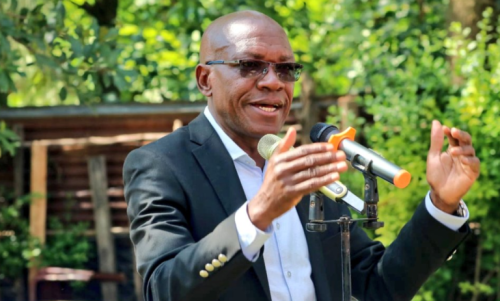
Khalwale said many Kenyan women find themselves behind bars in foreign countries after being used as drug couriers, commonly known as mules, in international trafficking rings.
“Many young Kenyan women are today languishing in foreign prisons for the crime of mules in the global narcotic networks,” he wrote
You Might Also Like

The senator’s remarks come at a time when cases of Kenyans arrested abroad over drug-related offences continue to surface. Khalwale said many of those affected are young women who leave the country in search of work or better opportunities, only to be drawn into criminal networks that promise quick money but expose them to long prison sentences once arrested.

Khalwale used the moment to shift attention to what he described as the imbalance in how justice is applied, arguing that those who organise, finance, and profit from the drug trade rarely face the same consequences as the couriers they deploy. He said the pain carried by families back home is often ignored, even as powerful figures remain free.
“Let the big boys, the real beneficiaries, join them in jail!” he wrote
Arrest of Nicolas Maduro
The senator made the statement following reports of the arrest of Venezuela’s President Nicolás Maduro by the United States government, a development that sparked global debate on accountability and justice for powerful figures accused of serious crimes.
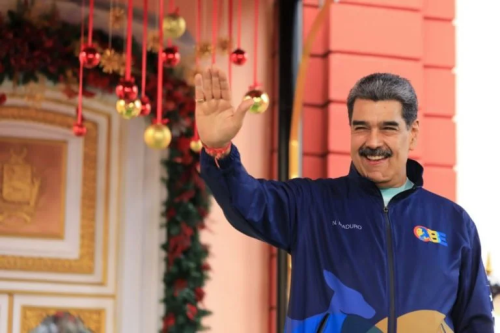
Overnight on Friday, January 2, 2026, the US carried out airstrikes across Venezuela, with explosions rocking the capital, Caracas, before dawn. Shortly afterwards, Donald Trump announced that US forces had captured the Venezuelan president, Nicolás Maduro, and his wife, Cilia Flores, and flown them out of the country.
The stunning attack and unprecedented capture of a sitting president followed months of an intense US pressure campaign against Venezuela. Since September, the US Navy has amassed a huge fleet off the Venezuelan coast and carried out airstrikes against what they said were drug-trafficking boats in the Caribbean and the Pacific and seized Venezuelan oil tankers. At least 110 people have been killed in the strikes on boats, which human rights groups say could amount to war crimes.
Author
Latest News
Advertisement
More on News