Advertisement
Khalwale faults Ruto’s plan to co-own Kenya Pipeline with Uganda
Sunday 23rd November, 2025 06:40 PM|
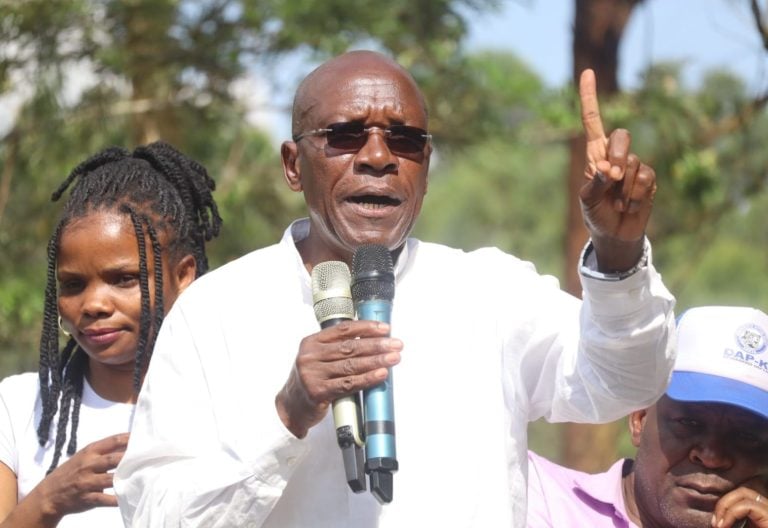
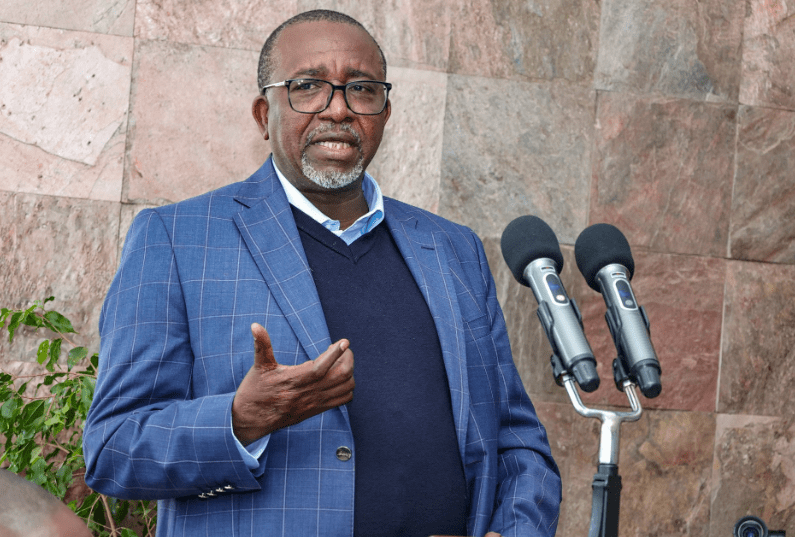
Senator Boni Khalwale has strongly opposed President William Ruto’s plan for Kenya and Uganda to jointly own and expand the Kenya Pipeline Company (KPC), warning that it risks privatisation and could undermine national security.
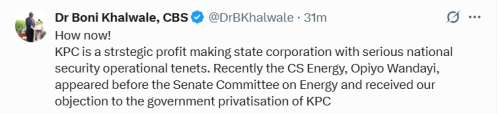
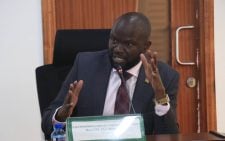
In a pointed X post on Sunday, November 23, 2025, Khalwale wrote: “How now! KPC is a strategic profit-making state corporation with serious national security operational tenets. Recently, the CS Energy, Opiyo Wandayi, appeared before the Senate Committee on Energy and received our objection to the government privatisation of KPC.”
The senator’s intervention comes amid growing debates over the future of Kenya’s critical fuel infrastructure.
Ruto outlines regional expansion plans
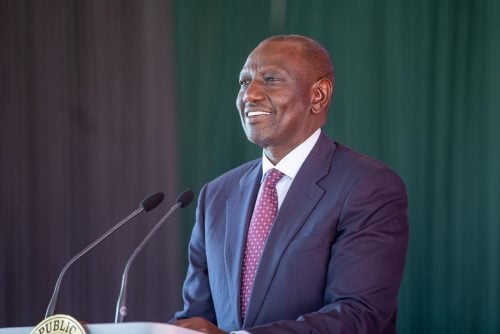
Ruto, speaking at a groundbreaking ceremony for the Devki project in Tororo, Uganda, detailed the joint ownership and expansion strategy, aiming to involve Ugandan and East African investors.
You Might Also Like
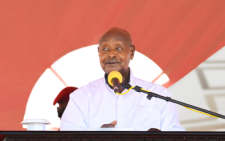


“I reiterate that we will work together with Uganda. I commend you, President Museveni, for agreeing to work with us. The ministers were in Nairobi last week, and I have given them the appropriate guidance on the need for Uganda and Kenya, public and private, to jointly own the Kenya Pipeline Company,” the president said.
The plan includes extending the pipeline from Eldoret through Kampala to the Democratic Republic of Congo and Rwanda borders, with potential SGR links from Naivasha to Kampala. Ruto further revealed intentions to divest up to 65 per cent of KPC’s shares, with a Nairobi Securities Exchange (NSE) listing targeted by March 31, 2026.
Lawmakers demand transparency
Khalwale’s objections echo his August 15, 2025, Senate grilling of Energy CS Opiyo Wandayi, during which he called the 65 per cent stake sale “foggy” and demanded parliamentary oversight and public consultation.
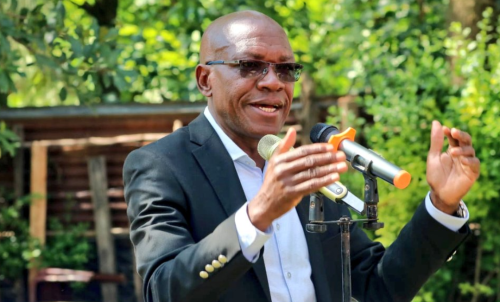
“KPC is a national public security asset that is profit-making and owned 100% by the government. I was not persuaded that a 65% stake should be sold to private investors in a process that is foggy,” he warned.
Other legislators, including Nakuru East MP David Gikaria, have raised similar concerns, citing unclear valuations and risks of foreign dominance. While the Privatisation Commission and NSE project enhanced efficiency, investor participation, and budgetary gains, Khalwale insists rigorous scrutiny is essential to safeguard national control over the strategic petroleum infrastructure.
Author
Latest News




Advertisement
More on News