Kenya Power boss blames 50–70% of electricity outages on trees
By Mustafa Juma, March 11, 2026Kenya Power and Lighting Company (KPLC) Managing Director Joseph Siror has revealed that between 50 and 70 per cent of electricity outages across the country are caused by trees and vegetation interfering with power lines.
Speaking on the night of Tuesday, March 11, 2026, during an interview with a local TV station, Siror said vegetation growing close to power infrastructure remains the single biggest cause of supply interruptions, particularly during heavy rains and strong winds.
“The biggest challenge, if you look at most of our outages, I would want to tell the public that about 50-70% is because of trees, and the unfortunate thing you would recall is that about 2-3 years ago, we entered into a very intensive programme of cutting all the trees near our lines,” Siror said.
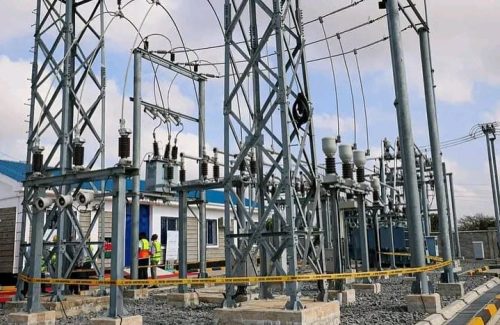
Damage to infrastructure
According to him, falling branches or trees touching power lines frequently damage infrastructure and trigger power disruptions.
The Kenya Power boss said the company launched an aggressive nationwide tree-clearing programme two to three years ago aimed at removing vegetation growing dangerously close to electricity lines.
However, he noted that the initiative initially faced strong resistance from members of the public who accused the company of destroying trees and interfering with private property.
“Initially, the public was totally opposed. They thought Kenya Power was engaging in criminal behaviour, and some really fought back,” Siror said.
Despite the opposition, he said the company managed to persuade some residents to allow vegetation clearance near power lines.
Siror explained that communities where the company was allowed to cut trees near electricity lines have already begun experiencing fewer power interruptions, even during adverse weather conditions.
“Initially, the public was totally opposed. They were seeing, like, Kenya Power was doing criminal behaviour, and some really fought back, but there are those whom we managed to persuade, and we cut those trees, and within no time they started writing to us that “I am shocked that it’s raining heavily and I’m still on supply.” The impact we have had in those areas where we managed to clear the trees is that even when there are rains or whatever, the levels of outages and interruptions are minimised,” he said.
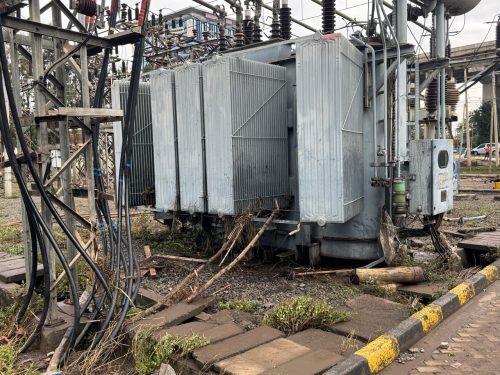
According to the Kenya Power chief, the reduced outages in those areas demonstrate the importance of vegetation management in maintaining a stable electricity supply.
However, Siror lamented that in some neighbourhoods, residents have remained adamant and continue to block Kenya Power staff from trimming or removing trees close to power infrastructure.
He recounted a case where a resident strongly opposed the cutting of trees near her property, only for one of the trees to later fall and damage power infrastructure.
“But there are those areas where the residents were really adamant, and they could not allow us to cut any trees. I do remember a case where a certain lady, I am not going to divulge her identity, was adamant that we were not going to cut any trees, and she came out shouting at my offices, and not long after, the tree fell and damaged our infrastructure,” Siror said.
Repair work
He noted that when trees damage power lines during storms or heavy rain, repair work can take longer because technicians must wait for safer weather conditions before accessing the affected infrastructure.
“Whenever it happens, the same people who were opposed to us doing it at our convenience want us to respond immediately, even when it is raining heavily,” he said.
Kenya Power has urged residents to allow technicians to trim or remove trees growing close to power lines, warning that failure to manage vegetation near electricity infrastructure will continue to cause frequent outages.
The utility company says it plans to intensify public awareness campaigns to encourage communities to support vegetation clearance efforts as part of broader measures to improve the reliability of electricity supply across the country.