Kenya makes strides in tackling deadly lung diseases with new training
By Kiprono Keileb, November 25, 2025The Ministry of Health has announced a major step in strengthening the country’s respiratory care capacity with the introduction of an advanced Bronchoscopy Training Programme at Kenyatta National Hospital (KNH).
The initiative comes at a time when lung-related illnesses continue to claim thousands of Kenyan lives every year, putting strain on families and the healthcare system.
According to a post on X posted by the Ministry of Health on Tuesday, November 25, 2025, the Ministry said the three-day training, launched by Principal Secretary for Medical Services, Ouma Oluga, brings modern bronchoscopy technology directly to Kenyan health workers.
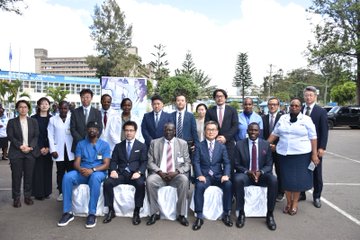
According to the statement, the programme is being delivered in partnership with the University of Nagasaki and KNH, to improve early detection and more accurate management of conditions such as Tuberculosis (TB), Pneumonia, Asthma, and Lung Cancer.
During the launch, Oluga reminded Kenyans that these respiratory diseases continue to affect large numbers of people every year and that building local capacity is essential for saving lives. He noted that the programme comes at a crucial time, highlighting that better tools and training can help health workers make faster, more precise diagnoses.
“The programme comes at a crucial time, as conditions such as Tuberculosis (TB), Pneumonia, Asthma, and Lung Cancer continue to affect thousands of Kenyans annually. He emphasised that strengthening diagnostic capacity is essential for improving patient outcomes,” the statement reads.
The Ministry said the training places strong emphasis on practical learning for frontline professionals. Quoting Oluga, the statement highlighted that the initiative prioritises hands-on training and mentorship.
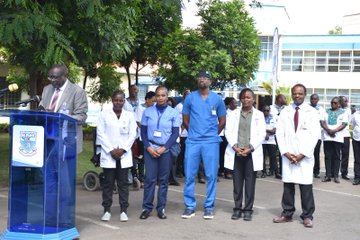
“This initiative prioritises hands-on training and mentorship for doctors, nurses, and technologists,” the statement reads, adding that the programme aligns with the commitment to developing a skilled and well-distributed health workforce.
“It aligns with our commitment to developing a skilled and well-distributed health workforce as part of Kenya’s Universal Health Coverage agenda,” the statement reads.
KNH, which is hosting the programme, is positioning itself as a regional hub for advanced pulmonary care. The statement noted that the hospital plans to expand specialist training and support more local research in respiratory health, an area that experts say is underserved despite its growing impact on the population.
The launch event drew attendance from key partners, including Richard Lesiyampe, Acting CEO of KNH; Japan’s Ambassador Hiroshi Matsuura; and Keitaro Matsumoto from Nagasaki University.
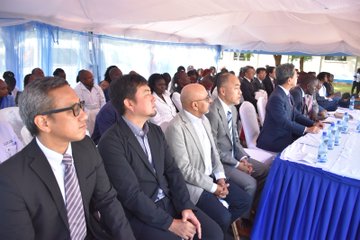
The Ministry said Oluga commends partners and encouraged the trainees to fully embrace the opportunity, emphasising that the skills gained will directly improve patient care.
“Oluga expressed gratitude to the partners for their support and encouraged trainees to fully utilise the opportunity, noting that the skills gained will directly improve patient care and contribute to a healthier, more resilient Kenya,” the statement reads.
Health experts have welcomed the move, saying improved diagnosis and treatment could significantly ease the burden of lung diseases, especially among low-income households that often struggle to access specialist care.