Advertisement
Karua warns Finance Bill 2026 could overburden Mitumba traders with upfront import taxes
Friday 12th June, 2026 10:05 AM|

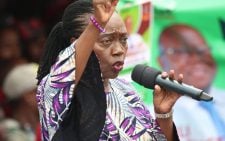
Former Justice Minister and People’s Liberation Party (PLP) leader Martha Karua has raised concerns over proposals in the Finance Bill 2026/27, warning that the measures could place heavy financial pressure on small-scale traders across the country.
Taking it to her social media accounts after an interview with Milele FM on Friday, June 12, 2026, Karua has said that the traders from Gikomba Market and other trading centres are important stakeholders in the Kenyan economy, as they import goods and are also job creators and lifelines in the Kenyan economy.
She warns, however, that the new tax plans will lead to an upset in this ecosystem by making it necessary for taxes to be collected at the point of importation.
“From Gikomba to markets across the country, thousands of traders import goods, create jobs, and support families. Now, the Finance Bill 2026/27 proposes collecting more tax at the point of importation, forcing many small traders to part with money long before they have made a single sale,” Karua stated.

You Might Also Like


Issues relating to cash flow stress affecting small companies. Worries about cash flow pressure on small companies.
While this up-front investment might be a possible sacrifice for the big guys, it will likely be most damaging to small merchants, Karua said. For many, she said, they will have to take out loans or informal credit to pay import taxes before they can even put their produce in stock or sell it.
She also pointed out that it may create a vicious cycle of debt, lower profitability and even business failure, particularly for traders on a thin margin.
Protection of small traders
The former minister called on the policymakers to reassess punitive taxation, arguing that the informal and small-scale trade sector, which makes up a big section of Kenya’s economy, should not be affected by tax changes.
She demanded policies that will “help local biashara” and focus on the welfare of ordinary people, saying economic reforms must take into account the situations of small traders.

Broader Debate on Tax Policy
The comments from Martha Karua come amid backlash on the Finance Bill 2026/27, which has been enveloped in intense public debate following the proposals to impose a 10% excise duty on electricity and gas, along with the abolition of the two-tier VAT system and the removal of 15% VAT from essential items.
Author
Latest News






Advertisement
More on News