Advertisement
Inside 5% mitumba tax scrap and what one-off import levy system means in Finance Bill 2026
Wednesday 13th May, 2026 08:50 AM|

The Kenyan Finance Bill, 2026, has resulted in a significant change in the taxation of second-hand garments (mitumba), which were previously proposed to be taxed at a 5 per cent import duty but were replaced by a simplified, one-off import duty system. The move is part of broader reforms of customs charges, which aim to simplify such charges and limit them to a single tax at the border.
The removal of the 5 per cent tax is one of the most significant changes to the initial proposal by the Treasury to impose the tax to help streamline the collection of revenues from imported second-hand clothes.
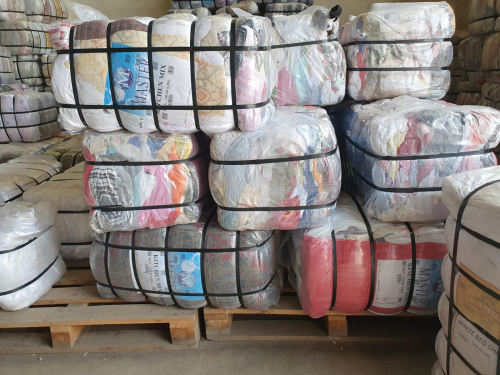
Legislators feared the extra levy would add to the expenses of traders and ultimately drive up second-hand clothing prices for millions of Kenyans who depend on the garments.
Meanwhile, Parliament retained the Treasury’s wider plans to change the tax regime on mitumba imports by creating a single payment system at the border. The goal is to secure a single payment, rather than several disjointed ones, for increased efficiency and to cut down on the
You Might Also Like

The 5 per cent tax was removed primarily because of concerns pertaining to affordability and market stability. The lawmakers stated that the mitumba business continues to be vital in providing clothing for low-income earners in the country and a major livelihood for the small traders.
They also pointed out that the sector already has to pay several existing charges at entry points and that an extra percentage tax would only add to costs without necessarily increasing compliance or achieving revenue efficiency.
Therefore, the amendment was viewed as a measure to safeguard the interests of consumers and traders from increasing import prices.
The one-off import levy system
Although the 5 per cent tax has been scrapped, the Finance Bill contains a major structural change, an import levy system, which has been created.
In this system, importers of mitumba will have to pay only one consolidated duty on the entry of the goods, whereas under the earlier system, they had to pay multiple separate taxes and fees during the clearance procedure.
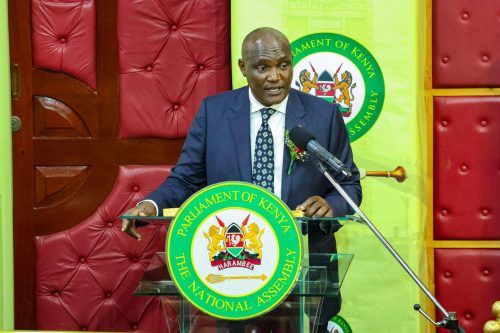
Treasury Cabinet Secretary John Mbadi has said that the strategy is aimed at making tax administration “more straightforward and predictable” for traders. He said the system is one-off because it is intended to get rid of the tax duplication, ease congestion at entry points, and help importers have a better understanding of their total obligations before goods are cleared.
“The reform is also projected to improve the efficiency of customs clearance, as the number of verification stages associated with various levies will be reduced, which will help to speed up the clearance of goods and, subsequently, the compliance costs for traders in the mitumba value chain,” the Treasury said.
The change for traders will be that although the 5 per cent tax has been eliminated, the total cost of importation will now be dependent on the design of the consolidated tax. It doesn’t have to be a tax cut; it can be a reorganisation of the way and when payments are made.
The focus now shifts to the final design of the one-off system and whether it will strike the right balance between revenue collection and ease of doing business for Kenyans’ second-hand clothing businesses.
Author
Latest News








Advertisement
More on Insights