Advertisement
Kanja: Jumaisi will be caught and held accountable
Saturday 22nd November, 2025 07:19 AM|

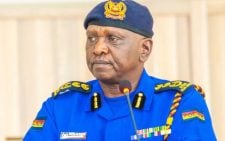
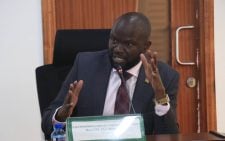
Kenya’s Inspector General of Police, Douglas Kanja, has vowed that Collins Jumaisi Khalusha, the prime suspect in the Kware killings, will be recaptured and face justice for his crimes.
In an interview with a local television station on November 21, 2025, IG Kanja expressed confidence in the ongoing manhunt, stating, “But we have also requested, we have also actually advised our people to assist us wherever it is. And I know at the end of the day we are going to lay our hands on Jumaisi, and he must pay for his crimes.”
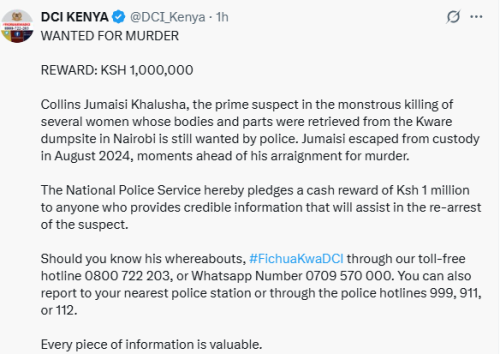
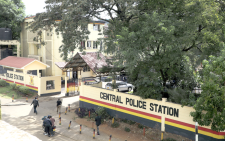
Jumaisi, who confessed to murdering 42 women before escaping from custody at Gigiri Police Station in August 2024, remains the main person of interest for the Directorate of Criminal Investigations (DCI) in the Kware dumpsite murders.
The DCI has offered a Ksh1 million reward for credible information leading to his re-arrest. In a statement released on September 30, 2025, the DCI said, “The National Police Service hereby pledges a cash reward of Ksh1 million to anyone who provides credible information that will assist in the ‘re-arrest’ of the suspect. Every piece of information is valuable.”
Public appeal and investigation
You Might Also Like
IG Kanja reminded the public of earlier appeals made at a press conference at the DCI headquarters. “I’m afraid, Collins Jumaisi, as we have said, remember the other day when I was there at the DCI, we had a press conference, and the issue of Jumaisi came up. And we did request the public people of this country to assist us in getting hold of this man,” he said.
On the circumstances of the escape, Kanja confirmed that internal investigations were conclusive.
“We know what transpired in our station there. And appropriate actions have actually been taken against those who are deemed to have, you know, committed those crimes that allowed Jumaisi to leave our station, our lawful custody.” Eight officers remain in custody facing charges related to the breakout.
Training and reforms
Looking ahead, Kanja linked the incident to broader police reforms.
“Let me say this: I’ve said that we want to make our stations the centre of excellence for police operations. But I’ve also indicated that training is a key driver. Whether in the basic training or advanced training is important,” he explained.
He also revealed efforts to secure additional resources, saying, “Earlier this week, I had a discussion with the Treasury because we are looking for additional funding for training purposes. Because, as I have said earlier, to me training is very, very important.”
Currently, about 45 per cent of officers have undergone specialised training.
“No, no, no. We have around 45%, but we need to put that number up because we can be able to do that,” Kanja added.
Author
Latest News




Advertisement
More on News