Advertisement
Iran strikes Israel and Gulf states as Trump touts US‑Iran talks to end war
Tuesday 24th March, 2026 12:26 PM|

Smoke rose from central Tel Aviv as Iranian missiles and drones targeted Israel and Gulf Arab states on Tuesday, March 24, 2026, even as United States (US) President Donald Trump said the US was in talks with the Islamic Republic to end the war.
Trump also delayed a deadline for Iran to open the strategic Strait of Hormuz for shipping or see its power stations targeted by airstrikes, briefly driving down oil prices and boosting stocks.
The delay offered a reprieve after the U.S. and Iran traded threats over the weekend of strikes that could have cut electricity to millions in Iran and around the Gulf and knocked out desalination plants that provide many desert nations with drinking water, while raising fears of possible catastrophe if nuclear plants were hit.
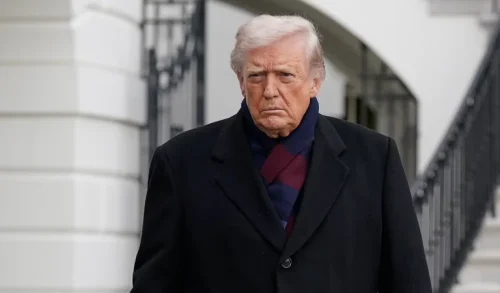
But any information on the talks described by Trump remains in dispute with Iran, which denied that any talks had been held.
You Might Also Like

“No negotiations have been held with the US,” Iranian parliament Speaker Mohammad Bagher Qalibaf posted on X, adding that “fake news is used to manipulate the financial and oil markets.”
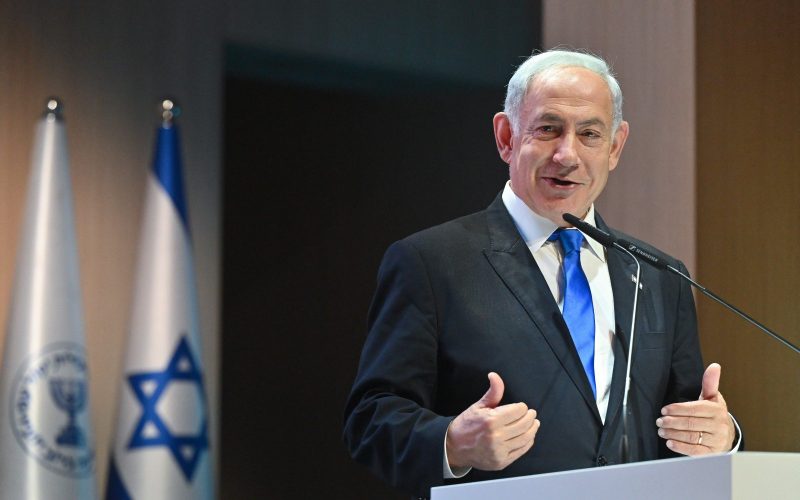
Israeli Prime Minister Benjamin Netanyahu also said Israel will continue to strike Iran and Lebanon even as the U.S. considers a ceasefire.
“There’s more to come,” he said.
Iran’s Foreign Minister Abbas Araghchi has been talking about the war this week to his counterparts in Azerbaijan, Egypt, Oman, Pakistan, Russia, South Korea, Turkey and Turkmenistan, his office said.
The war
Iran fired multiple waves of missiles at Israel early Tuesday, with reports of an impact in the country’s north, and an explosion was heard in central Tel Aviv, followed by billowing smoke. Officials gave no immediate information about the blast.
Israel, meanwhile, pounded Beirut’s southern suburbs, saying that it was targeting infrastructure used by the Iran-linked Hezbollah militant group.
A strike on a residential apartment southeast of the Lebanese capital killed at least two people, according to the Lebanese Health Ministry.
In Kuwait, power lines were hit by air defence shrapnel, causing partial electricity outages for several hours. Missile alert sirens sounded in Bahrain, and Saudi Arabia’s Defence Ministry said it had destroyed 19 Iranian drones targeting its oil-rich Eastern Province.
Oil prices briefly fell below Ksh12,970 a barrel after Trump claimed his government was in talks to end the war. But that respite was short-lived, with the price of Brent crude, the international standard, back to about Ksh13,700 a barrel in morning trading, up more than 40% since Israel and the U.S. started the war on February, 28, 2026.
Iran skeptical of Trump’s motives
Trump initially set a deadline of late Monday, Washington time, for Iran to reopen the Strait of Hormuz or face attacks on its power plants, but on Monday, he gave Tehran five more days to comply.
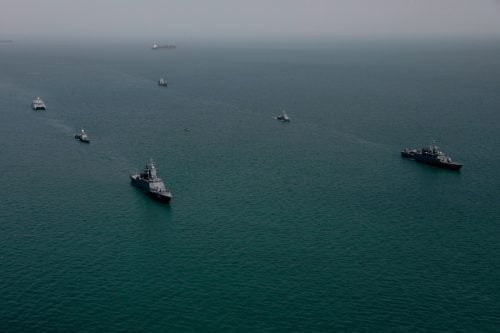
Iran has allowed a small number of ships through the strait, which leads from the Persian Gulf to the open ocean, but has said it will continue to target vessels linked to the U.S., Israel or its allies.
Its leaders are wary of Washington’s motives, in part because Tehran was in negotiations with the U.S. before the surprise attack that started the war. Iran was also in talks last year when the U.S. and Israel attacked its nuclear facilities, starting a 12-day war.
Author
Latest News






Advertisement
More on News