Advertisement
Inside Ruto’s plan to allow UN staff to retire and settle in Nairobi
Monday 11th May, 2026 06:43 PM|
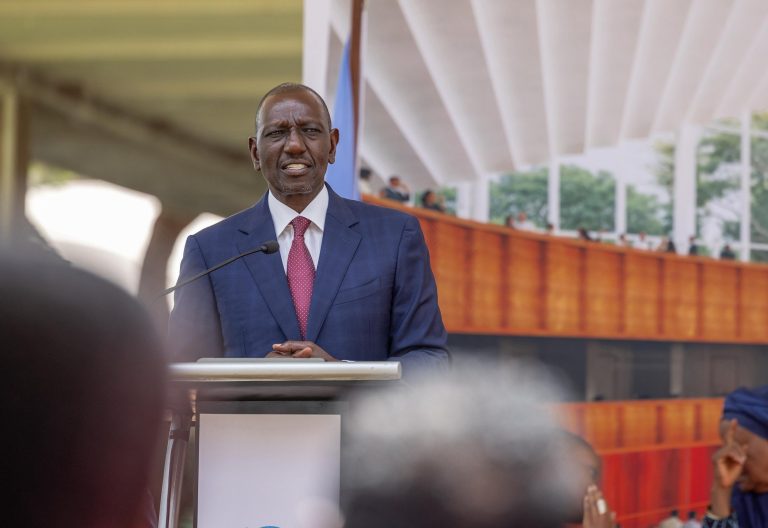
The government is weighing a new plan that could allow United Nations (UN) staff working in Nairobi, and even those serving elsewhere in the world, to retire and settle in the city, with possible incentives from the government.
The proposal was outlined by President William Ruto on Monday, May 11, 2026, during the inauguration of the United Nations Nairobi Expansion Project in Gigiri, Nairobi, an area that hosts the main UN complex in Kenya.
Key in the proposed plan is a change to Kenya’s legal framework, specifically the Privileges and Immunities Act, and possibly even the Constitution, to make it easier and more attractive for UN staff and their families to remain in Nairobi after retirement.
Ruto said the government wants Nairobi to feel like a long-term home for international staff who have worked in the city.
You Might Also Like



“We will be complementing your efforts to make sure residents and UN families living with us will have a good experience living and working out of Nairobi,” Ruto stated.
“We are working on our Privileges and Immunities Act to provide an opportunity for families and staff who work out of Nairobi. If they consider retiring in Nairobi, we are planning to extend facilities, and the law will provide incentives for you to retire in this great city.”
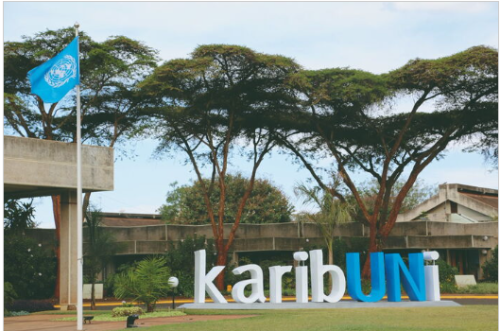
The proposal is part of Kenya’s broader effort to strengthen Nairobi’s position as a global diplomatic and humanitarian hub.
The government believes that improving conditions for international staff could encourage more UN agencies to base their operations in the city.
As of 2026, the United Nations has more than 6,000 staff based in Kenya, most of them working from the Gigiri complex, which hosts 86 UN offices. Across the country, the UN system employs over 130,000 people.
The number is expected to increase in the coming years as several UN agencies continue shifting some of their global operations to Nairobi. Agencies such as UNICEF, UN Women, and UNFPA have already expanded their presence in the city, with additional staff relocations expected by 2026.

Ruto’s proposal now seeks to ensure that some of these international workers can consider Nairobi not just as a work station, but also as a long-term home after their careers end.
However, the plan would require legal adjustments before it can be implemented. Kenya’s current Privileges and Immunities law mainly focuses on diplomatic protection for foreign officials and international organisations.
The law shields diplomats and UN personnel from arrest, detention, and prosecution while carrying out official duties in the country.
It also gives the Cabinet Secretary for Foreign Affairs powers to grant special privileges and immunities to international organisations and their staff.
However, the law does not currently provide retirement-related incentives or settlement benefits for foreign personnel.
If approved, the changes could further strengthen Nairobi’s status as Africa’s leading UN and diplomatic hub while also attracting long-term international investment and residency into the city.
Author
Latest News





Advertisement
More on News