IEBC reveals how it plans to restore public trust in elections
By Kenneth Mwenda, September 2, 2025The Independent Electoral and Boundaries Commission (IEBC) has affirmed its commitment to holding inclusive, participatory, and accountable elections in Kenya.
Taking to X on Tuesday, September 2, 2025, the electoral agency said it was strengthening collaboration with civil society ahead of the 2027 General Election.
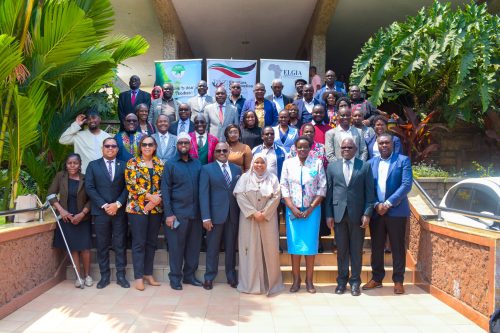
The announcement came during a high-level roundtable meeting with Civil Society Organisations (CSOs) under the Uchaguzi Platform. The session was supported by the Electoral Law and Governance Institute for Africa (ELGIA) and the Election Observation Group (ELOG).
Vice Chairperson Fahima Araphat Abdallah, speaking on behalf of Chairperson Erastus Edung Ethekon, emphasised the Commission’s dedication to transparency and citizen participation.
“Your proposals will guide the development of policy and strategy to enhance participation and restore public trust in the electoral process,” Abdallah said.
The meeting also highlighted the growing threat of misinformation and disinformation. The IEBC cautioned CSOs to remain vigilant against politically motivated narratives that could undermine electoral integrity and national unity.
This announcement comes days after the Commission released the schedule for by-elections set for November 27, 2025. The elections will fill 17 ward representative seats, six parliamentary seats, and the Baringo Senate seat. Preparations for these polls are in advanced stages, the Commission said, and are expected to be completed before the end of the year.
Candidate rules and fees
IEBC has also published the requirements and qualifications for candidates. All aspirants must be Kenyan citizens by birth and have held citizenship for at least 10 years prior to the election. Dual citizens must renounce their other nationality before taking office.
Nomination fees vary depending on the seat and category of candidate. For County Assembly positions, women, youth, and persons with disabilities pay Ksh10,000, while other candidates pay Ksh20,000. Parliamentary candidates pay Ksh2,500 for marginalised groups and Ksh5,000 for others, and Senate candidates pay Ksh25,000 and Ksh50,000, respectively.
Independent candidates must demonstrate strong grassroots support. For example, MCA aspirants need at least 500 supporters, parliamentary aspirants need 1,000, and Senate candidates must show 2,000 supporters. All candidates are required to submit a self-declaration from the Ethics and Anti-Corruption Commission (EACC).