How climate change is threatening Kenya’s food basket as hunger crisis deepens – study
By Aloys Michael, June 12, 2026Kenya’s food security is facing a growing threat as climate change continues to disrupt agricultural production, exposing deep vulnerabilities in the country’s food systems and pushing millions closer to hunger.
According to the State of the Climate Report 2025, erratic rainfall, prolonged dry spells and rising temperatures are steadily undermining farm productivity, leaving households with shrinking food reserves and increasing uncertainty.
Although the March-April-May 2025 long rains delivered above-average rainfall across most parts of the country, uneven distribution and shifting weather patterns limited the benefits.
“This was driven by favourable conditions in high and medium rainfall zones such as the Rift Valley, Western and Central Kenya,” the report stated, noting that national maize production reached 4 million tonnes, 10 per cent above the five-year average.
Bean production performed even better, rising 60 per cent above the long-term average. However, the gains masked significant regional disparities.
In Kenya’s arid and semi-arid lands (ASALs), maize and bean yields fell between 21 and 35 per cent below the long-term average as farmers grappled with drought, fall armyworm infestations, expensive farm inputs, uncertified seeds and the early end of rains.
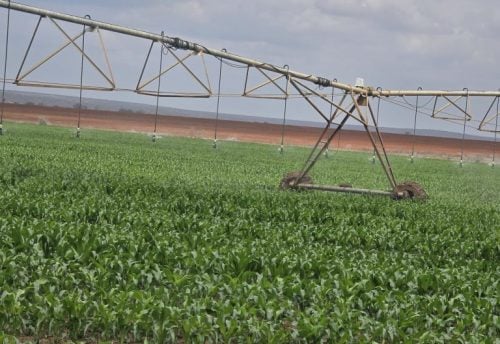
Farmers increasingly shifted to drought-tolerant crops in an effort to adapt. Irrigation also offered some relief, with land under irrigated farming expanding by 10 per cent. Sorghum production surged by 49 per cent, highlighting a growing move toward climate-resilient crops.
Yet challenges persisted. Tomato production dropped by 39 per cent due to water shortages and pest outbreaks, particularly Tuta absoluta.
“Flooded lowlands lost significant acreage of beans and vegetables,” the report read.
Food crisis
The impact is now being felt at the household level. Maize stocks are estimated to be 37 per cent below average, enough to last only one to three months in pastoral and coastal regions compared to the usual four to five months.
As a result, many families are turning to markets earlier than expected, exposing them to volatile food prices.
“Smallholder farmers in Asal counties were most affected,” the report noted. “The performance of the October–November–December (OND) 2025 season led to widespread crop failures.”
The poor OND rains worsened conditions across marginal farming areas, where maize production fell 20–30 per cent below average.
“Maize production in marginal areas was 20–30 per cent below LTA, with total crop failure reported in coastal counties such as Kilifi and Lamu, and in north-eastern regions such as Mandera and Wajir,” the report read.
The agricultural shocks have fuelled a widening food security emergency.
By mid-2025, about 1.8 million Kenyans were experiencing acute food insecurity, classified as IPC Phase 3 (Crisis) or worse. Of these, 179,000 were in IPC Phase 4 (Emergency), particularly in Turkana, Mandera, Marsabit and Baringo.
“This period coincided with the lean season, when household food stocks are usually depleted,” the report stated.
The consequences extend beyond hunger. Rising malnutrition among children and pregnant women is weakening immunity and increasing vulnerability to disease. Climate stress has also accelerated the spread of livestock diseases such as foot-and-mouth disease and lumpy skin disease, threatening pastoral livelihoods and nutrition.
At the same time, drought-driven water shortages and poor sanitation are increasing the risk of disease outbreaks and placing additional pressure on health services.
2026 forecast offers hope and warning
Experts say the March-April-May 2026 season presents both opportunities and risks.
“The March–April–May (MAM) 2026 Long Rains season is expected to have varied socioeconomic implications across Kenya,” the report read, “influenced by regional rainfall patterns and warmer-than-average temperatures.”
Areas expected to receive above-average rainfall, including the Lake Victoria Basin, parts of the Rift Valley and the central highlands, could record improved harvests and stronger livestock productivity.
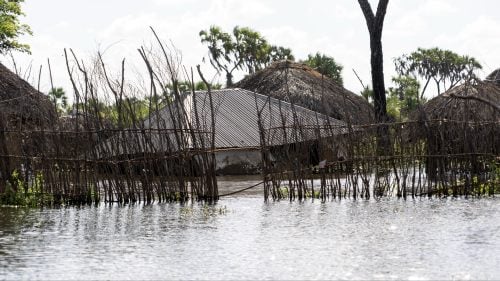
However, “these regions face risks of flooding, landslides, soil erosion and pest outbreaks, which could potentially disrupt supply chains, damage infrastructure and increase production costs due to nutrient leaching and post-harvest losses,” the report warned.
Meanwhile, below-average rainfall is expected in the south-eastern lowlands, north-eastern Kenya and the coast, raising fears of continued food shortages.
“If the forecast materialises, we expect water sources to dry up earlier than usual, forcing households and pastoralists to travel longer distances for water,” the National Drought Management Authority (NDMA) noted.
“Pastoral households could face serious setbacks if herds continue to decline,” the NDMA warned.
With food insecurity projected to persist into 2026, Kenya’s climate challenge is no longer only an environmental issue, it is increasingly becoming a battle for food, livelihoods and survival.