Govt scraps co-payments for teachers under the new SHA plan
By Aloys Michael, April 23, 2026The government has scrapped co-payments for teachers under the Social Health Authority (SHA) plan, in a decisive move aimed at ending a looming nationwide strike over medical cover concerns.
The breakthrough follows a high-level meeting that brought together the Teachers Service Commission (TSC), Social Health Authority (SHA), Kenya Union of Post-Primary Education Teachers (KUPPET), and Kenya National Union of Teachers (KNUT).
Under the new arrangement, teachers across the country will no longer be required to make co-payments when visiting SHA-accredited health facilities. The medical cover has also been expanded to include more specialised care services, with additional hospitals such as Nairobi West Hospital added to the accredited list.
The day-long meeting held on Wednesday, April 22, 2026, in Mombasa delivered a breakthrough, effectively halting a strike that had been scheduled to begin next week. Teachers’ unions had threatened industrial action over concerns about access to medical services under the SHA scheme.
Talks focused on longstanding grievances, particularly complaints that some healthcare providers were demanding extra payments despite comprehensive cover. The government and unions agreed to eliminate co-payment requirements and urged teachers to report any violations.
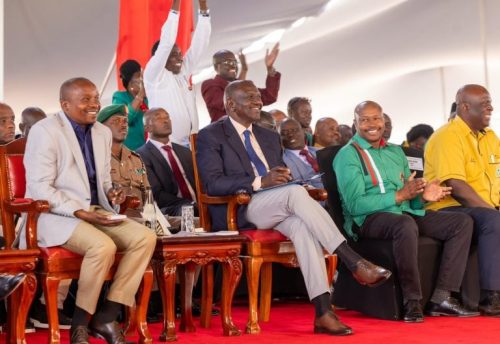
“There is going to be a revision upwards to where it was on the issue of the capitation, especially on the capping of outpatient cover,” KUPPET Secretary-General Akelo Misori said.
SHA Chief Executive Officer Mercy Mwangangi warned healthcare providers against charging teachers additional fees, saying strict action will be taken against those who defy the directive.
“Facilities are not allowed to co-charge teachers. We have received reports that some providers are co-charging teachers. Any provider who has co-charged a teacher will face consequences,” she said.
She added that SHA is currently engaging healthcare providers to negotiate standardised tariffs to guide the cost of services offered to teachers under the scheme.
The changes come after mounting pressure from teachers, particularly those under KNUT, who had warned of a nationwide strike if issues with the SHA cover were not addressed.

Jitters over health scheme
Teachers had complained that the scheme failed to deliver proper medical services, citing system failures, delays in treatment, and inefficiencies that left many unable to access healthcare.
Speaking on behalf of KNUT Kiambu West, Secretary General Michael Muna said teachers felt shortchanged.
“We are getting a raw deal. The anticipation that we had, we are getting a raw deal and the challenges that we have highlighted need to be addressed for these teachers to be contented,” Muna said.
He added that many teachers were struggling to understand why they were paying for a scheme that did not fully serve them.
“This is unfortunate. When you are paying two schemes and you are not benefiting from it, we must tell the world this is not well, much as we would want to pretend. And we don’t want to be hypocritical. We want to call things the way they are,” he said.
Teachers say the problems worsened after their full integration into SHA in December 2025, with many reporting being turned away from hospitals, delayed treatment, and rising out-of-pocket costs for services that were previously covered.
Threats to exit SHA
The concerns reflect wider dissatisfaction among public sector workers. Civil servants have also protested SHA changes, including a reported cap of Ksh2,500 on outpatient services, arguing that it leaves them effectively underinsured.
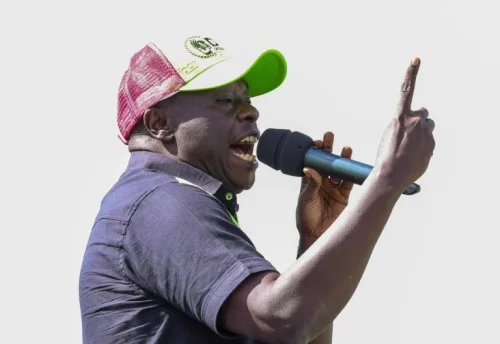
The issue has also drawn political attention, with former Deputy President Rigathi Gachagua urging teachers to reject the scheme.
“Many teachers have talked to me. I encourage them to demand from the union leaders the immediate exit from SHA, and they go back to a private insurance that can take care of our teachers,” Gachagua said during a recent meeting in Kiambu.
He claimed that the current cover has failed to meet basic needs, including hospital access and burial benefits that existed under previous arrangements.
Teachers, however, say their focus remains on access to reliable healthcare. KNUT and KUPPET have both warned that they could call for industrial action if the situation does not improve.
Stephen Langat of KUPPET said the current system has created frustration among educators across the country.
“Failure to do so, we will go to the streets and paralyse learning,” he warned.