Advertisement
Fuel scandal: Wandayi denies claims of substandard fuel entering Kenya
Monday 13th April, 2026 05:57 PM|

Energy Cabinet Secretary Opiyo Wandayi has moved to calm growing political and public concern over claims of substandard fuel entering Kenya, insisting the incident under scrutiny reflects a controlled procedural breach rather than a systemic failure in the country’s petroleum import framework.
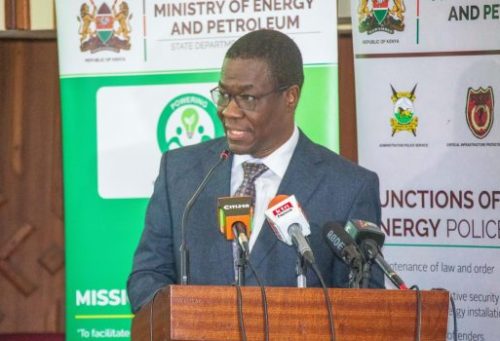
Appearing before the National Assembly Energy Committee on Monday, April 13, 2026, Wandayi defended the integrity of the fuel importation system while acknowledging that a specific petrol consignment was allowed into the country despite quality deviations.
The session focused on a Premium Motor Spirit (PMS) shipment aboard the vessel MT Elka Apollon, which was expected in Kenya between March 30 and April 1, 2026. Parliament heard that the cargo had been flagged after key chemical parameters exceeded limits set under KS EAS 158:2025 standards.
According to submissions tabled by the CS before the committee, the affected parameters included oxygenates, manganese, sulphur and benzene, elements that reportedly went beyond approved thresholds but were nonetheless permitted through an official waiver process.
You Might Also Like



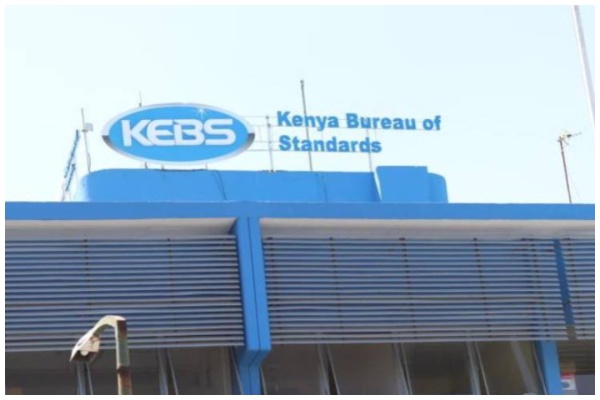
Wandayi confirmed that the State Department for Petroleum had formally sought regulatory exemptions from the Kenya Bureau of Standards (KEBS) through correspondence dated March 26 and March 27, 2026. The waiver was later approved by the Ministry of Trade and Industrialisation on March 28, 2026.
“Concerning the consignment in question, certain parameters were off the specifications; therefore, a waiver was sought from KBS by the State Department of Petroleum on March 26 and March 27, which was duly granted by the Ministry of Trade on March 28. No test results were altered,” Wandayi told MPs.
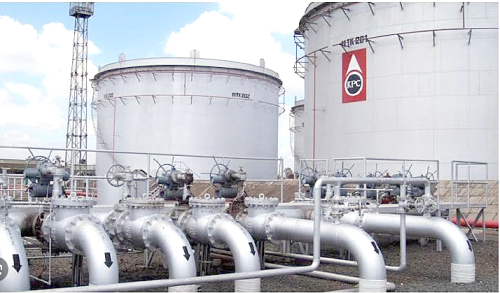
He further presented supporting documents, including the waiver approval letter, load port reports, and internal scrutiny records from the Kenya Pipeline Company, insisting that due process had been followed at each stage of verification.
Parallel system?
Wandayi has rejected claims of parallel systems, citing legal provisions under the Petroleum Act, 2019 and the Petroleum (Importation) Regulations, 2023.
“There is no existing parallel importation framework other than as prescribed by law,” he said.
Lawmakers were also briefed on disruptions in global shipping logistics, particularly a Vessel Alignment Committee meeting held on March 18, 2026
Wandayi said a multi-agency technical team subsequently prepared a contingency brief recommending emergency supply arrangements. The report was forwarded to the Principal Secretary in the State Department for Petroleum for approval, Parliament was told.
He explained that Kenya Pipeline Company conducted its own due diligence, including review of load port documentation, pre-discharge testing, and post-discharge laboratory analysis, before the cargo was cleared under the waiver framework.
However, the CS conceded that the incident exposed pressure points within the quality assurance chain.
“The Ministry and its agencies are continually reviewing their processes to optimise them and ensure compliance with the law.”
Despite the controversy, Wandayi maintained that the fuel did not reach consumers and that corrective measures had already been activated.
“The importer has been directed to withdraw all invoices and issue credit notes to Oil Marketing Companies (OMCs), which have been instructed not to take the consignment,” he said.
He further assured MPs that the shipment would be entirely removed from the Kenyan supply system.
“The substandard fuel is to be removed from Kenya entirely, with the importer confirming compliance,” he added.
The Energy boss reiterated that the disputed consignment would not influence domestic pricing.
“No substandard fuel reached consumers,” he asserted.
Author
Latest News







Advertisement
More on News