Advertisement
Fresh hopes for anti-HIV efforts amid funding crisis
Wednesday 16th July, 2025 03:20 AM|
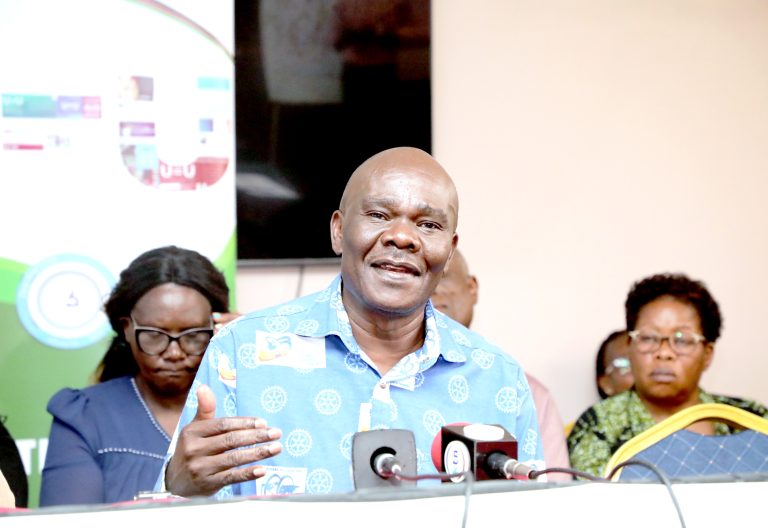
Kenya’s HIV prevention programmes face severe strain following US government funding cuts.
Critical community-led initiatives serving adolescents and key populations have shuttered, while HIV testing services have been redirected to routine healthcare facilities, often ill-equipped to serve high-risk individuals effectively.
“This nearly collapsed our prevention programmes,” said Nelson Otwoma, executive director of the National Empowerment Network of People Living with HIV/AIDS in Kenya.
“Key populations such as sex workers, adolescent girls, young women, and men who have sex with men are now even more exposed. We’re watching years of progress slowly unravel.”
You Might Also Like
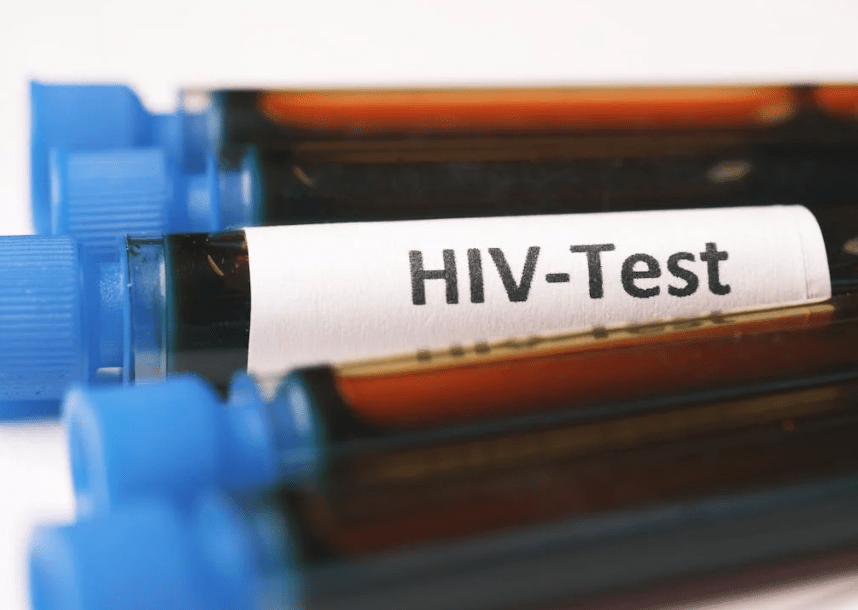


However, hope has emerged from a landmark WHO recommendation in July 2025: injectable lenacapavir as a new pre-exposure prophylaxis (PrEP) tool.
This long-acting injection offers six months of HIV protection with a single dose, significantly reducing the burden of daily pill-taking required for current oral PrEP.
“Offering people more HIV prevention choices is essential to help bring the global HIV response back on track,” said Dr Meg Doherty, WHO’s director of global HIV, hepatitis and STI programmes.
“This twice-yearly injectable could be a game changer,” Otwoma agreed.
“It’s discreet, convenient, and fits the lives of those who may not be able to take a pill every day, especially young women or sex workers who face stigma.”
Kenya has been identified as an early adopter country by the WHO and the Global Fund.
According to the National AIDS and STIs Control Programme (NASCOP), lenacapavir is expected to become available by January 2026, with initial rollout supported by the Global Fund.
Experts caution that this new PrEP method isn’t a silver bullet. Past oral PrEP scale-up coincided with rising sexually transmitted infections and unplanned pregnancies due to reduced condom use.
“We must treat lenacapavir as an addition, not a replacement for condoms and behavioural prevention strategies,” Otwoma warned.
Eligibility guidelines
Successful implementation requires trained healthcare workers, clear eligibility guidelines, and robust monitoring systems.
HIV testing must remain central, as only HIV-negative individuals qualify for the injectable.
“Kenya has about 50 million people. This injectable cannot be for everyone,” Otwoma noted.
“We need clear guidelines for eligibility and strong systems to support safe delivery.”
Despite challenges including potential system overwhelm and social acceptance concerns, experts see lenacapavir as a potential turning point in Kenya’s HIV fight if implemented responsibly.
“We have a unique window,” said Otwoma. “If we do this right, we can rebuild trust in prevention, restore services to those most at risk, and finally turn the tide.”
Author
Mercy Kachenge
View all posts by Mercy KachengeLatest News






Advertisement
More on News