Advertisement
Experts call for irrigated agriculture to replace rain-fed farming in Siaya
Tuesday 27th January, 2026 08:30 PM|
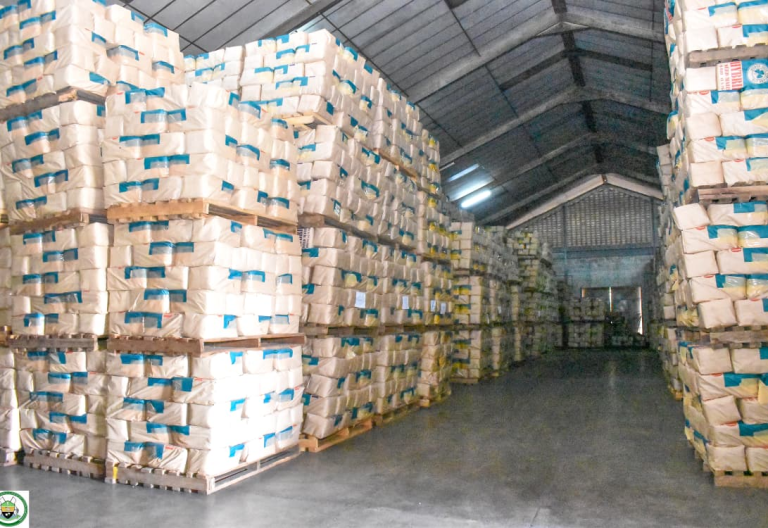
The seeds and input subsidy programme run by the Siaya County Government may fail to address the region’s growing food crisis unless farmers are transitioned to irrigated agriculture, experts have warned.
Budget expert Kevin Owira says reliance on rain-fed farming is increasingly unsustainable, noting that last season’s prolonged drought left many farmers counting losses after their crops stunted and withered.
“We cannot continue spending resources on input and certified seeds that do not yield good results due to climate change so to respond to the challenges, we must introduce farmers to irrigated agriculture,” said Owira.
Speaking during the County Budget Economic Forum, Owira observed that many Siaya residents are facing extreme hunger after harvesting nothing from their farms despite heavy investment in seeds and inputs.
You Might Also Like
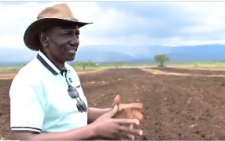

“It’s modern irrigation that will save the Country from hunger,” he said.
According to Owira, adopting irrigated agriculture would open up vast tracts of land for crop production, strengthen the sector’s resilience to climate change, and improve food security and household incomes.
“let us set up nuclear farms with these subsidy resources and have adequate food that can give us good returns in other areas instead of relying on the subsidy whose returns is wanting,” Owira said.
He regretted that despite millions of shillings being spent on subsidy programmes annually, the returns have remained minimal.
“When we invite the public to seek their input on the budget, we have faced harsh reception over the subsidy program so as a department, we are requesting you to think differently.
“Stop injecting money where there is no return,” he added.
Owira praised Governor James Orengo for investing in the Siriwo rice mill, describing it as a model initiative that has transformed farmers’ livelihoods while generating revenue for the county.
“Orengo’s idea for a rice mill is superb. We now have rice branded Siriwo in various shops, which is a plus on us and we need more of such initiatives so as to grow Siaya,” he said.
He challenged the Department of Agriculture to make land available for irrigation-based investments, noting that the county continues to court investors without clearly identifying suitable land.
“We keep on seeking for investors and yet we are not told of the availability of lands for irrigation. Do we have lands where we can do serious irrigation because as Siaya we need to invest in mini-galalo Galalo as a wider strategy to boost food security,” Owira said.
He added that a review of departmental proposals revealed a pattern of recycling the same ideas annually, with little impact on people’s livelihoods.
“We need the Department of Agriculture, which is the anchor that runs the economy of Siaya, to be disruptive and see itself differently or else it will take Siaya ages to realise results,” he said.
Monitoring and Evaluation Officer at the Department of Agriculture, Stephen Oketch, said the county is yet to roll out a farmer-led irrigation development initiative under the National Value Chain Development Project (NVCDP).
He noted that plans are underway to rehabilitate 45 water pans in South Uyoma and North Uyoma to support irrigated agriculture in Rarieda.
“Only 681 hectares of land is under irrigation in Siaya and it is for small-scale farmers whose lands have touched water bodies,” Oketch said.
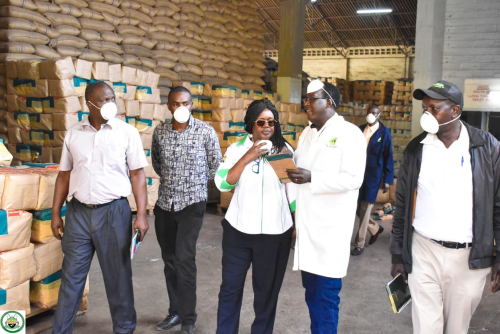
The call for a shift to irrigation comes a day after Siaya Chief Officer for Agriculture Elizabeth Adongo met officials from the Kenya Seed Company in Kitale to facilitate the supply of certified maize seeds ahead of the long rains.
According to Adongo, the county will distribute certified seeds valued at Ksh 15 million to farmers.
On cotton farming, County Budget Economic Forum member Alex Dunga urged the Department of Agriculture to ensure that cotton seeds distributed to farmers in Rarieda are suitable for the area’s soil and climatic conditions.
He said farmers had raised concerns over the quality of cotton seeds previously supplied.
“Survey should be done in Rarieda and soil sampling done so that cotton seeds yet to be distributed to farmers is favoured by the soils and climate of the area,” Dunga added.
Author
Latest News






Advertisement
More on News
