Advertisement
Egypt leads push for dialogue between US and Iran on Gulf tensions
Sunday 05th April, 2026 11:37 AM|

Egypt’s Foreign Minister Badr Abdelatty held separate calls to discuss proposals for regional de-escalation with U.S. Envoy Steve Witkoff and regional counterparts, including Iranian Foreign Minister Abbas Araqchi, the ministry said in a statement on Sunday.
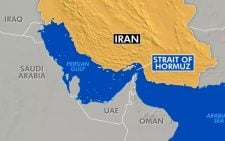
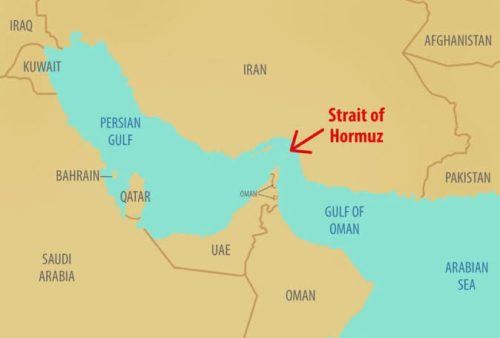
Egypt, Turkey and Pakistan have emerged as active intermediaries in the crisis, with Islamabad recently hosting a meeting to discuss regional de-escalation and proposals to reopen the Strait of Hormuz.
Non-oil private sector performance
Egypt’s non-oil private sector deteriorated at its sharpest pace in almost two years in March, as the Middle East wardrove up costs and dampened client demand, a closely watched business survey showed on Sunday.
The headline S&P Global Egypt Purchasing Managers’ Index fell for a fourth consecutive month, dropping to 48.0 in March from 48.9 in February its lowest reading since April 2024.
You Might Also Like


The figure remained below the 50.0 threshold that separates growth from contraction, though it was broadly in line with the survey’s long-run average of 48.2.
Drivers of the contraction
Output and new orders were the chief drags on the index, with both measures also hitting their lowest levels for nearly two years. Firms frequently blamed the Middle East conflict for dampening client demand, partly through intensifying price pressures.
First, business expectations for the coming 12 months slipped into negative territory, with companies citing uncertainty over the war as a key reason for pessimism, though the degree of gloom was described as mild.
Economic insights
David Owen, senior economist at S&P Global Market Intelligence, nevertheless noted that “the latest figure of 48.0 still relates to annual GDP growth of around 4.3 pre cent,” adding that “recent data suggests the domestic non-oil sector is on a solid underlying growth path.”
Cost pressures remained a serious concern, however. Input prices surged at their joint-sharpest pace in one-and-a-half years, as firms cited fuel costs and other war-related commodity price increases, compounded by a stronger U.S. dollar. In response, companies raised their selling prices at the fastest rate in 10 months, though the increase remained modest overall.
Author
Latest News





Advertisement
More on News