Advertisement
DP will require more than just words to convince Kenyans he is not tribal
Sunday 25th July, 2021 03:21 AM|
By Muthoni Ngunjiri
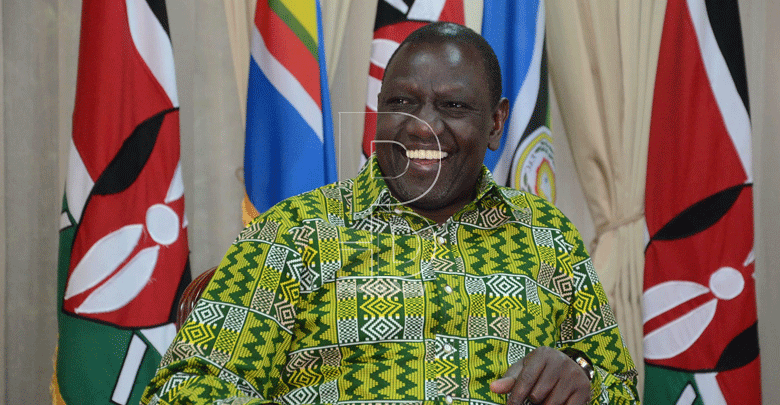
Deputy President William Ruto is a man on a mission. He has of late been on a mission to shed his reputation as a tribal politician and rebrand himself as a national leader who believes in inclusivity and equality.
But this won’t be easy as his words and actions simply don’t match.
The DP’s negative track record with regard to perpetuating tribalism and ethnicity is conspicuous.
In his Rift Valley backyard, Ruto has fashioned himself as the Kalenjin kingpin and has been viciously fighting Kanu chairman Gideon Moi for the control of the community.
In June 2020, the DP underwent a ritual coronation by the Talai elders, purportedly to install him as the de facto leader of the community.
When Gideon organised a similar ceremony, goons associated with Ruto barricaded the road and forced him to retreat and reschedule the ceremony.
At a personal level, Ruto has been taking a swipe at other leaders and their communities. He often paints them as “tribal chiefs representing village parties.
He has in the past accused “a certain community” of being good at throwing stones and tampering with the railway whenever their leader loses an election. Recently, the second in command threw jibes at a community accusing it of taking his generosity for granted.
He said the community had developed a bad habit of looking for him whenever it has problems and abandoning him when his hour of need comes.Ruto has also been courting other so-called tribal chiefs to join his camp and back his presidential bid.
He has been silently trying to lure ANC leader Musalia Mudavadi and Ford Kenya leader Moses Wetang’ula to support his course. In almost every region and community across the country, Ruto has handpicked a team of vocal politicians who perpetually promote tribalism through their utterances. They talk about “our community” every time they get hold of a microphone.
In Mt Kenya, he enjoys the backing of politicians who thrive in tribal politics.
In the Rift Valley, politicians such as Oscar Sudi, Johanna Ng’eno and Samson Cherargei have been openly using expletives to warn “certain communities” against “playing with the DP”, at times in his presence. They are the DP’s allies.
The DP has himself been quoted speaking ill of other communities in his local dialect while in his Rift Valley backyard.
It is not lost on Kenyans that during the formation of Jubilee government in 2013, President Uhuru Kenyatta shared equal ministerial slots with Ruto.
While Uhuru ensured his appointments reflected the face of Kenya, Ruto dished out almost all the slots to his tribesmen. He used the same tribal formula to share parastatal positions handed to him by the president.
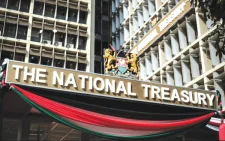
Shockingly, most of the ministries and parastatals that were taken over by his allies were later hit by mega scandals in which taxpayers lost billions of shillings. The scandalous ministries included the Ministry of Agriculture, The National Treasury, Water, and Energy while affected parastatals included Kenya Pipeline, Kenya Power, and the National Cereals and Produce Board.
At his office in Karen, questions about the ethnic composition of his staff have been raised.
Author
People Daily
View all posts by People DailyLatest News



Advertisement
More on News