Advertisement
Content creation: Safety, psychological concerns must be addressed
Friday 10th June, 2022 11:28 AM|
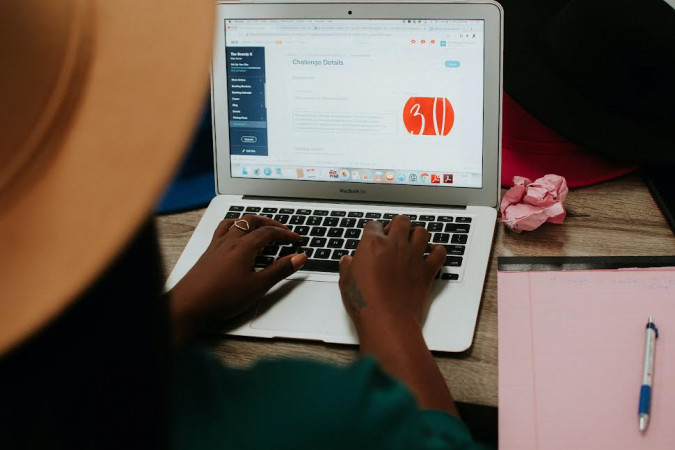
Today’s exceptional use of the Internet has accelerated the expansion of social media platform use. Societies have become overly reliant on social media for business, leisure and keeping updated on their friends and families. To satisfy the demand for connections and content, content creation especially among the youth has become prominent.
According to Digital 2021: Global Overview Report, social media users in Kenya were at 11 million as of January 2021. The survey noted an increase of 2.2 million social users in Kenya between 2020 and 2021, signalling the potential of online content creation, in a country plagued by bulging unemployment.
The creation of humorous content is today redefining how users interact with their phones, leaving them glued and seeking more. With immeasurable online influence, influencers are commanding massive following and corporate organizations are integrating them into their strategies to win the market.
Susan, a university student at Mount Kenya University who runs a cooking show explains how social media has become a life-changer. “I love cooking and when I record and share my recipes, people enjoy them at the same time, I am now monetizing my channel on YouTube. Furthermore, I am now getting sponsors during the show which gets me a good income.” she said.
With more access to Internet connectivity, the subscription numbers can only keep skyrocketing and she does not think she will ever apply for a job as she had earlier planned when she enrolled in school.
Earlier in the year during the YouTube Annual Roundtable, released statistics showed that Kenya’s content creation growth rose the highest at 70 per cent and that Kenya is among the top African country in content creation on YouTube, trouncing Nigeria and South Africa with its over 400 channels each with 100,000 subscribers. Channels earning over Ksh 1 million ($8,783.49) per month also increased by 60%.
The online platforms have provided an opportunity for many Kenyans to earn a living, a distraction from engaging in crimes and drug abuse. Youths are creating all types of content ranging from travelling, vines, cooking, classroom, music, travel, sports, and many others.
However, even as many join the bandwagon in content creation, they are unaware of the harm they are exposed to and cone unarmed with digital skills to protect themselves online. Many do not understand the consequences of sharing private information online.
Away from the rosy picture painted by successful content creators, many are suffering from overwork, stress and exhaustion as they attempt to satisfy audiences and social media algorithms. Content generation is a time-consuming endeavour. In areas where the audience feels that it is not creative enough, they get bashed and sometimes are under the wrath of their supporters.
Recently, one of the more successful content creators, Crazy Kennar through his Instagram channel stated, ” I have been on a mission to stand against depression for 3 years after receiving heart-breaking messages from the people I entertain.”
Many studies show that women and girls bare the biggest brunt of online violence, which can embody different forms including name-calling, trolling, cyber stalking, impersonation, shaming, sexual harassment, manipulation of personal information and death threats. A study by the Association of Media Women in Kenya (AMWIK) and Article 19 Eastern Africa found out that at least seven out of 10 women journalists in Kenya have been harassed online in the course of their work.
Social media content creation is all about numbers and maintaining momentum in production for an ever-hungry audience. When female content creators pause production due to stress and depression caused by online violence, they also lose their income, accelerating the problems even further. Furthermore, content creators and freelancers, do not have health benefits or paid time off and are therefore overwhelmed with pressure.
Sarah, a student at Moi University who runs a makeup channel on Instagram talked of the challenges facing her as a content creator. “Without training on how to handle hateful and violent users, I have been unable to create content because of the painful words that were said about me. I have had to go for treatment for ulcers and I have been depressed more than five times,” she said.
The government has a big role to play to ensure the safety of women online and has put in place national laws including the penal code, the Computer Misuse and Cybercrimes Act, the Data Protection Act and the Sexual Offences Act to ensure survivors get justice. Despite their existence, slow implementation means more and more women are leaving online spaces after experiencing online violence.
To bridge the gap, non-state actors have been trying to lead efforts to mitigate the vices and lead to more women capitalizing on their skills to earn a living. AMWIK in partnership with Siasa Place and Google for example recently trained over 60 journalists and content creators on how to mitigate online violence. AMWIK has also in the recent past developed a digital safety handbook to enable more women and girls to understand the challenges that befall them when using online spaces.
When left unchecked, chronic stress from cases of online violence can lead to various long-term physical effects, including depression, suicide and heart disease. Digital security trainings should be accelerated especially as the 2022 general election nears.
By Milkah Maina ([email protected])
Author
PD columnist
View all posts by PD columnistLatest News








Advertisement
More on News