Advertisement
CoG chair says rising public debt is starving counties revenue
Tuesday 12th August, 2025 12:43 PM|

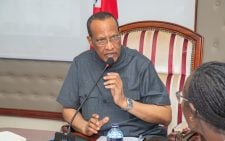
Council of Governors (CoG) Chair Ahmed Abdullahi has cautioned that the growing public debt is steadily eroding the resources available to county governments, making it increasingly difficult for them to deliver essential services.
Speaking during a morning talk show aired on a local television station on Tuesday, August 12, 2025, Abdullahi painted a stark picture of the county’s financial priorities since the introduction of devolution in 2013. He noted that the national government has been front-loading its share through heavy borrowing, pushing Kenya’s public debt from Ksh1.6 trillion during former President Mwai Kibaki’s tenure to the current Ksh11 trillion.
“Whatever is collected first has to service debt before it can be shared out, then it reduces the pot of what is shareable,” Abdullahi said, stressing that debt repayment is prioritised ahead of county allocations.
According to him, this trend means that even though counties appear to receive significant amounts on paper, the reality is different when the allocations are compared to the current budget figures.
You Might Also Like


“When you look at what counties are getting, it may look a lot, but based on what current budget figures are, it is not that much,” he explained.
Abdullahi also pointed to legal bottlenecks in the allocation process, saying that counties are entitled to a minimum of 15 per cent of the last audited and approved national accounts. The auditing, he said, is done by the Auditor General, but the approval rests with Parliament, a process that is consistently delayed by three to four years.
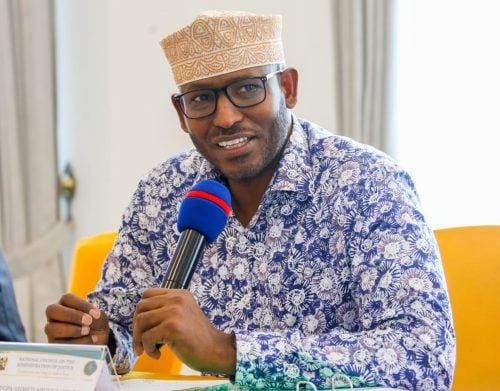
This delay, he noted, means that county funding is based on outdated financial data, further starving devolved units of resources they urgently need.
The CoG chair’s remarks come at a time when many counties are grappling with stalled development projects and delayed payment of salaries for staff. Governors have repeatedly voiced frustration over the Treasury’s slow disbursement of funds, which they say hampers the spirit of devolution.
Abdullahi’s concerns echo wider debates on Kenya’s fiscal discipline and the sustainability of its debt. The government’s debt servicing obligations have risen sharply, with a substantial portion of national revenue going towards repaying loans rather than funding development or supporting counties.
His comments are likely to reignite calls for reforms in the public finance management system, including timely auditing and approval of accounts, as well as a more balanced approach to debt and revenue allocation.
“The reality is that counties are being starved, we need to fix the legal and fiscal practices that undermine the promise of devolution,” Abdullahi concluded
Author
Latest News







Advertisement
More on News
