Advertisement
Closure of refugee camps is in Kenya’s national security interests
Wednesday 24th March, 2021 08:19 AM|
By Adhere Cavince
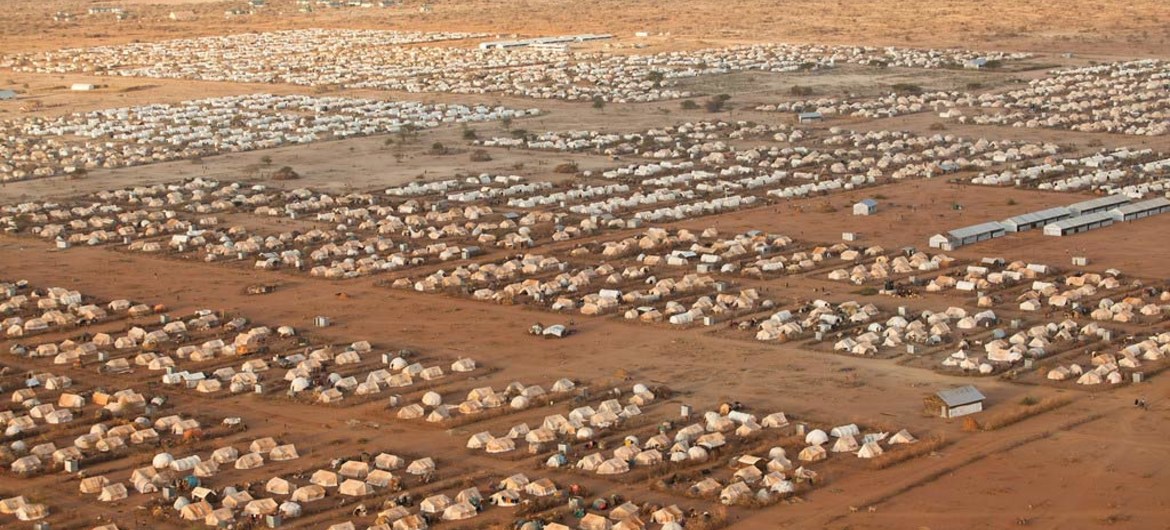
The order by Kenya to shut down the sprawling Dadaab, Kakuma refugee camps on national security grounds is likely to leave over 500,000 Somalis homeless. The UN refugee agency that is expected to present an exit plan within two weeks, has expressed concern about the safety of the refugees in the backdrop of the Covid-19 global pandemic.
For over three decades, Kenya has provided home to Somalia nationals uprooted from their homes by the running conflict that has rendered the horn of Africa country ungovernable. The hospitality of Kenya and commitment to safeguard the rights of refugees has exposed Nairobi to a number of security risks. Kenya’s intelligence agencies have for example indicated that two terrorist attacks in 2013 and 2015 were planned from the Dadaab refugee camp.
Similarly, while Kenya opened its doors to Somali nationals beset by challenges at home, the government in Mogadishu has maintained a bellicose attitude towards Nairobi, having cut diplomatic ties with Kenya in December 2020.
The belligerent Mohamed Abdullahi Mohamed led administration has multiply claimed that Kenya is interfering in its internal affairs A fact finding mission by the Inter-Governmental Authority on Development has since exonerated Kenya from fraying Somalia’s sovereignty. Mogadishu has since turned its attention to other states in continuation of Abdullahi’s scapegoating spree.
Somalia has also taken Kenya to the International Court of Justice over a maritime boundary dispute. Backed by some international actors, Mogadishu is inching to redraw the boundary with Kenya in a move that could cart away massive natural resources from the Kenyan territory while leaving Nairobi a landlocked state.
Due to weak government capacity, Somalia has turned into terrorist playing and breeding ground with Kenya bearing the brunt of attacks. The Al Shabaab terror outfit which has orchestrated a number of deadly attacks in different parts of Kenya has sleeper cells in Somalia. Kenya has taken several measures to upstage the threat of terrorism, including sending troops to Somalia in 2011, in pursuit of the terrorists. The cross border attacks continue to this day, presenting a significant security threat to the citizens and residents of Kenya.
Al Shabaab has also taken advantage of the porous border between Kenya and Somalia to smuggle contraband products whose proceeds have been deployed to fund nefarious activities of the group within Kenya. Kenya continues to dedicate substantial resources to keep the camps operational, a fact that is lost to the government in Mogadishu.
Closing down the two camps will certainly have serious impacts on the refugees. As a constitutional democracy and member of the United Nations Security Council, Kenya together with the UNHCR, should handle the matter in manner that safeguards the interests and welfare of the affected residents.
It is also a wakeup call for Somalia to work towards a more cordial and productive with relations with the neighbouring countries. The baseless intransigence against Nairobi does not serve the interest of Somalia and its citizens.
As a believer in multilateralism and peaceable coexistence, Kenya should continue to explore peaceful resolution of the simmering conflicts with Somalia. However, Nairobi must take all the necessary measures within its ambit to ensure that Kenyans are safe from any threats emanating both within and beyond its borders.
Twitter: @Cavinceworld.
Author
People Daily
View all posts by People DailyLatest News








Advertisement
More on News