African legislators demand fair climate finance action amid methane threats
By Aloys Michael, May 17, 2026African lawmakers have launched a coordinated push for stronger climate diplomacy and methane reduction strategies, positioning the continent as a unified force in global climate negotiations amid mounting pressure on developed nations to honour financing pledges.
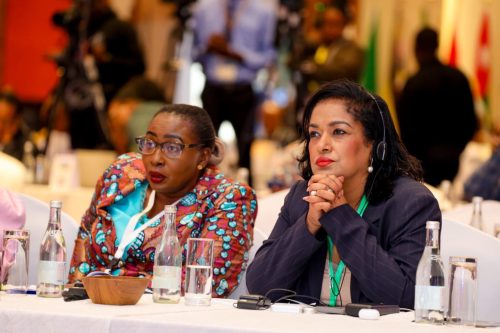
The landmark commitment emerged during the Regional Seminar for African Parliaments on Climate Action and Methane Reduction held in Nairobi, where legislators from across the continent agreed to strengthen cooperation among parliaments, governments and regional institutions to amplify Africa’s voice in international climate policy.
The meeting comes at a pivotal moment as African nations face intensifying droughts, floods and food insecurity despite contributing the least to global greenhouse gas emissions.
By focusing on methane, a highly potent greenhouse gas linked to agriculture, waste and energy production, African lawmakers are reframing the climate debate around practical, development-friendly solutions that could attract global recognition.
Presenting the outcome of the seminar on Saturday, May 16, 2026, John Mutunga said African countries must move beyond fragmented climate responses and embrace collective action backed by stronger international support.
“I must emphasise the importance of global inter-parliamentary cooperation and solidarity in addressing climate change and methane emissions, with a view to promoting knowledge exchange, strengthening policy frameworks, reducing emissions and mitigating impacts on the most vulnerable populations,” Mutunga said.
Climate experts increasingly view methane reduction as one of the fastest and most cost-effective ways to slow global warming. Africa’s renewed parliamentary focus on methane mitigation could therefore become a defining diplomatic strategy ahead of future United Nations climate negotiations.
Delegates warned that Africa continues to bear disproportionate climate impacts while receiving insufficient climate financing and technological support.
Moreover, the legislators argued that without predictable funding, developing countries risk being locked out of critical climate adaptation and mitigation programmes.
Africa’s methane mitigation efforts have both adaptation and mitigation co-benefits and require adequate, predictable and accessible climate finance from developed countries. Fulfilment of the COP29 climate finance goal and operationalisation of loss and damage funding is imperative,” Mutunga stated.
The lawmakers also called for accelerated transfer of affordable green technologies tailored to African realities, including low-emission livestock systems, biogas innovation, waste-to-energy infrastructure and methane measurement technologies.
The emphasis on locally adaptable solutions reflects a growing shift in Africa’s climate diplomacy, from dependence-driven appeals to investment-focused partnerships capable of generating jobs, improving food systems and expanding clean energy access.
Importantly, delegates stressed that methane reduction policies must not undermine poverty eradication or economic development efforts. That balance between environmental protection and economic survival has increasingly become Africa’s core argument in global climate talks.
The Nairobi seminar, themed Afrhttps://www.parliament.go.ke/node/25794ican Parliaments for Climate Action: Reducing Methane Emissions, Promoting Development, was organised by the Parliament of Kenya and the Inter-Parliamentary Union alongside international climate institutions including the United Nations Environment Programme (UNEP) Climate Parliament and the Climate and Clean Air Coalition.