Advertisement
12 African nations to get malaria jab
Thursday 06th July, 2023 08:08 AM|
Kenya is among 12 countries in Africa set to receive 18 million doses of the first-ever malaria vaccine over the next two years in an expanded initiative.
This has been explained as a response to high demand for the RTS, S/AS01 also known as Mosquirix for the 2023–2025 period after its initial deployment at the pilot stage showed good results.
The three-year-old pilot project implemented in September 2019, made the vaccine available to children in eight counties in the Western and Nyanza region, targeting 1.2 million children.
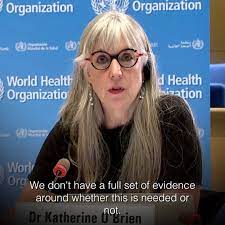
Yesterday, when the announcement was being made in Geneva and New York, Dr Kate O’Brien, World Health Organisation (WHO) Director of Immunisation, Vaccines and Biologicals said so far the malaria vaccine is a breakthrough in improving child health, survival and families or communities that want this vaccine for their babies.
“This first allocation of malaria vaccine doses is prioritised for children at highest risk of dying of malaria,” she said, noting that the high demand for the vaccine and the strong reach of childhood immunisation will increase equity in access to malaria prevention and save many young lives.
“We will work tirelessly to increase supply until all children at risk have access,” she stated.
The RTS,S/AS01 (RTS,S) malaria vaccine is the first vaccine recommended to prevent malaria in children. If implemented broadly, the vaccine could save tens of thousands of lives each year.
The pilot implementation of the RTS,S vaccine through the national immunization programme, has reached nearly 400,000 children in eight counties in the Western and Nyanza regions of Kenya since 2019. This was part of the WHO-coordinated pilot programme in Kenya, Ghana and Malawi.
Safe and effective
More than 1.3 million children across the three African countries are now protected by additional malaria prevention.
O’Brien pointed out that the rollout is a critical step forward in the fight against one of the leading causes of death in the continent.
The allocations have been determined through the application of the principles outlined in the WHO Framework for allocation of limited malaria vaccine supply.
It prioritises those doses to areas of highest need, where the risk of malaria illness and death among children are highest.
Since 2019, Ghana, Kenya and Malawi have been delivering the malaria vaccine through the Malaria Vaccine Implementation Programme (MVIP), coordinated by WHO and funded by Gavi, the Vaccine Alliance, the Global Fund to Fight Aids, Tuberculosis and Malaria, and Unitaid.
The RTS,S/AS01 vaccine has been administered to more than 1.7 million children in Ghana, Kenya and Malawi since 2019 and has been shown to be safe and effective, resulting in a substantial reduction in severe malaria and a fall in child deaths.
At least 28 African countries have expressed interest in receiving the malaria vaccine.
In addition to Ghana, Kenya and Malawi, the initial 18 million dose allocation will enable nine more countries, including Benin, Burkina Faso, Burundi, Cameroon, the Democratic Republic of the Congo, Liberia, Niger, Sierra Leone and Uganda, to introduce the vaccine into their routine immunisation programmes for the first time.
Vaccine doses
This allocation round makes use of the supply of vaccine doses available to Gavi, Vaccine Alliance via UNICEF.
The first doses of the vaccine are expected to arrive in countries during the last quarter of 2023, with countries starting to roll them out by early 2024.
“This vaccine has the potential to be very impactful in the fight against malaria, and when broadly deployed alongside other interventions, it can prevent tens of thousands of future deaths every year,” said Thabani Maphosa, Managing Director of Country Programmes Delivery at Gavi, the Vaccine Alliance.
He added that while Gavi is working with manufacturers to help ramp up supply, there is a need to make sure the doses that are available are used effectively.
“This means applying all the learnings from our pilot programmes as we broaden out to a new total of 12 countries,” he added.
Malaria remains one of Africa’s deadliest diseases, killing nearly half a million children each year under the age of five, and accounting for approximately 95 per cent of global malaria cases and 96 per cent of deaths in 2021.
Author
George.Kebaso
View all posts by George.KebasoLatest News

Advertisement
More on News