Gakuya: Cartels have taken over Nairobi’s economy
By Ndiritu Wanjiru, February 20, 2026Embakasi North Member of Parliament (MP) James Gakuya has issued a scathing critique of what he described as entrenched ‘cartels’ operating in Nairobi, warning that the collusion between powerful actors is strangling development and harming ordinary residents.
In remarks delivered during an interview at a local radio station on Friday, February 20, 2026, Gakuya said that illicit networks, which he referred to as cartels, have taken hold in key sectors of the city’s economy and governance, undermining accountability and skewing opportunities in favour of a few.
“Nairobi cartels are not a myth. They are real networks that manipulate tenders, hijack public contracts, and siphon resources meant for everyday citizens. They thrive because there’s a lack of political will to dismantle them,” Gakuya said.
According to Gakuya, these cartels operate across sectors, including transport, land allocation, and public procurement. He argued that their influence has eroded public trust and disadvantaged small businesses and ordinary families trying to make a living in the city.
The outspoken legislator warned that the effects of cartel entrenchment are tangible. He emphasised that cartels have contributed to inflated costs in transport services and have exploited loopholes in public contracting processes.
“Every time a contract is stolen, a youth loses a job. Every inflated price paid by the taxpayer means less money for roads, water, or garbage collection. Cartels enrich themselves while the people of Nairobi pay the price,” Gakuya added.
Gakuya’s solution to end cartels
To counter the influence of these networks, Gakuya urged a multi-agency response. He has raised the need to strengthen oversight by Parliament and anti-corruption bodies, reform procurement systems to close loopholes that enable cartel behaviour, and protect whistleblowers to encourage exposure of corrupt practices.
Gakuya also linked the issue of cartels to broader governance challenges. He noted that when economic power is concentrated in the hands of a few, it deepens inequality and fuels social discontent.
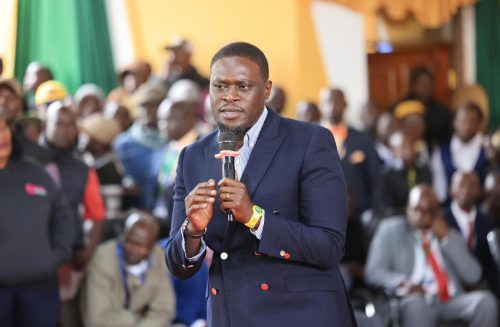
Economic equity and corruption in Nairobi
His comments have reignited debate about economic equity and corruption in Kenya’s capital, with many residents echoing concerns over transparency and inclusion.
As calls for accountability grow louder, Nairobi’s political and governance landscape may be entering a period of heightened scrutiny, one that could redefine how public resources and opportunities are managed in the city.