Why time to recall non-performing MPs is riper now than ever
By Aloys Michael, July 27, 2025The proposal before the IEBC to introduce a mechanism for recalling non-performing Members of Parliament marks a bold and overdue step in Kenya’s democratic journey.
At its heart, the move empowers citizens to reclaim the mandate they granted to MPs who have deviated from their constitutional duty to serve the public interest. In a climate where Parliament increasingly appears beholden to the executive, particularly President William Ruto, rather than to the people, this mechanism is not just desirable; it is essential.
The recent outcry over the Finance Bill 2024 has exposed a troubling gap between elected officials and the electorate. Despite overwhelming public opposition, massive protests, and spirited online campaigns, most MPs voted in favour of a bill that imposes punitive taxes on already burdened Kenyans.
These regressive measures will disproportionately hurt low- and middle-income citizens. Rather than act as a check on executive overreach, Parliament once again served as a mere appendage of the State House.
This is not an isolated incident. Over the past year, Parliament has rubber-stamped a slew of oppressive and unpopular laws, including those targeting freedom of assembly and expression. These are the very tools that citizens use to hold leaders accountable. When Parliament ceases to function as an independent institution and instead acts as an extension of the presidency, it undermines the spirit of representative democracy. At that point, the right of recall becomes not just a legal tool, but a democratic imperative.
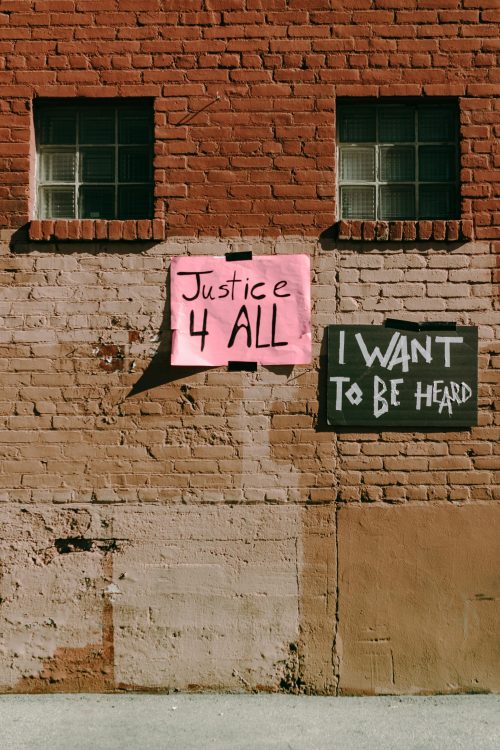
The recall
For the recall process to be credible, it must be rooted in objective, transparent, and verifiable metrics. Emotional reactions or political vendettas should not drive it. Instead, performance should be assessed through clear indicators. First, attendance and participation in parliamentary debates should be tracked and published. Kenyans have a right to know if their MP shows up, contributes, and takes a stand on critical issues. Hansard records should be digitised and easily accessible to the public.
Constituency engagement is another key metric. MPs who are absent from their wards, avoid town halls, and ignore local grievances are derelict in their duty. Similarly, voting records in Parliament must be publicly available. Citizens deserve to know where their MPs stand on major policies, particularly those concerning taxes, healthcare, education, and civil rights. Elected leaders should vote based on the wishes of their constituents, not based on pressure from party leadership or the executive.
A third indicator is the effective use of the Constituency Development Fund (CDF). This fund is often shrouded in opacity, with many MPs mismanaging it or using it for patronage. Constituents must be able to trace how public money is spent and demand accountability when it’s misused. Ethics and integrity are equally crucial. MPs under investigation for corruption or abuse of office must face public scrutiny and, if warranted, be subject to recall. Integrity cannot wait for court outcomes; it must be upheld continuously.
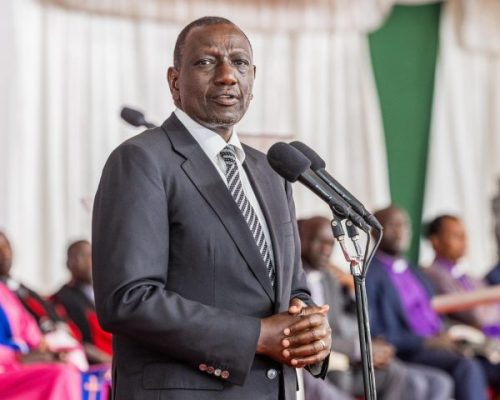
Ruto’s parliament, or people’s?
To support this process, Kenya could establish a centralised, independent performance dashboard for all MPs. Regularly updated and publicly accessible, such a tool would help transform public frustration into lawful, evidence-based civic action. This wouldn’t just make recalls viable, it would also restore public confidence in Parliament as a genuine house of representation.
Under President Ruto’s leadership, Parliament has veered away from its role as an independent arm of government. It has instead aligned itself closely with the executive, often at the expense of the people. The Finance Bill 2024 is only the most glaring example. Despite the loud, clear opposition of citizens from all walks of life, civil society, the clergy, and the youth, MPs toed the executive line. That betrayal cannot go unanswered.
Opponents of the bill argue that it may trigger instability or be misused. But with proper guardrails such as a high signature threshold, judicial oversight, and clear definitions of non-performance, these risks can be managed. This is not about political revenge. It is about restoring the constitutional balance, detoxifying public institutions, and reminding MPs who they truly work for.
The recall is not a threat to democracy; it is its reinforcement. It reclaims Chapter Six’s vision of leadership and integrity. It breathes life into Article 1, which affirms that sovereign power belongs to the people. Ultimately, democracy doesn’t end at the ballot box. It is a living contract. The right to vote must be matched by the right to withdraw that vote when betrayed peacefully, lawfully, and decisively. Let the people speak, not just every five years, but every time they are ignored.