Advertisement
Why Kenyans might still elect the same leaders they complain about today
Monday 28th July, 2025 08:36 PM|
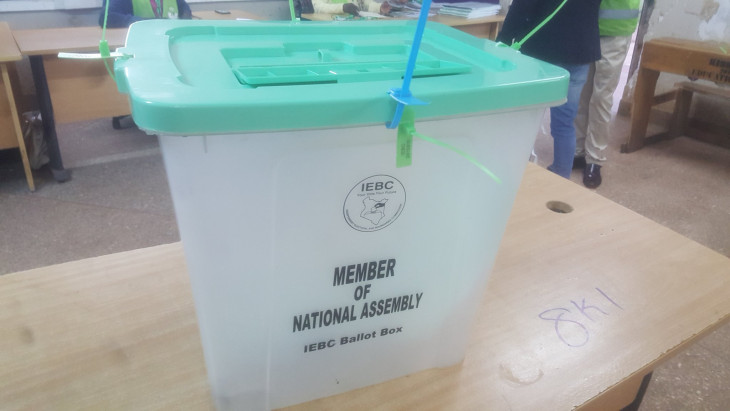
With only two years left until the 2027 general elections, it’s evident that Kenyans might still elect the same leaders who are making them suffer.
Kenyans have been vocal in expressing their dissatisfaction with the majority of leaders currently in office, accusing them of poor leadership, misappropriation of public funds, and general incompetence.
Many have vowed to send them home through the ballot in 2027. However, judging by recent trends, the same Kenyans who are complaining about these leaders will still wake up early to vote them back in and, once again, be taken through the same vicious cycle of suffering.
Fade of Gen Z momentum
In 2024, during the rise of the Gen Z protests, the young generation spoke with one voice, vowing to remove the current crop of leaders. At that moment, it seemed like a shift in voting dynamics was inevitable.

You Might Also Like



It was assumed that the Gen Z generation had become more politically aware, organising themselves without tribal affiliations, parties, or central leadership. The future of Kenya’s political landscape looked promising.
But hardly a year later, the same Gen Zs appear to be embracing the very leaders they once rejected.
They now show up in large numbers for political events hosted by those same politicians, cheering and clapping during their speeches.
The most notable incident was when crowds turned out to witness the launch of a matatu business owned by the president’s son, a figure many Gen Zs had previously criticised.
Yet, they showed up in droves, cheering him on as he launched his multimillion-shilling fleet.

Tribal politics still dominate
As long as Kenyan politics continue to be organised along tribal lines, with each ethnic group pushing to have their own “king” in power or at least represented in government, voting dynamics will remain unchanged.
This obsession with tribalism robs Kenyans of the opportunity to elect better leaders. In Kenya, no matter how poor a leader’s performance is, as long as they come from one’s tribe, they are considered “good” and deserving of a seat at the table.
Meanwhile, other leaders with clean records and a track record of integrity have offered themselves as alternatives.
These are individuals who could bring about real change. Yet, instead of being embraced, they are often mocked and told they don’t have the financial capacity to run a serious campaign.
When they hold rallies, only a few people attend. But when those same leaders, Kenyans, complain about holding rallies, the crowds turn up in large numbers, showering them with praise.
The current political administration is only halfway through its term, but the battle lines for 2027 are already being drawn. Ironically, the same leaders who Kenyans accuse of mismanaging the country are the front-runners, and they have a high chance of winning again. Unless something drastic changes, the cycle will repeat itself.
Alternatives being ignored
Some argue that there are no better alternatives, but this is false. Many individuals have declared their intentions to offer alternative leadership.
Some have even gone as far as pleading with Kenyans to help them raise money for their presidential bids. But no one is willing to contribute or support them to achieve their dreams.
Cheering of toxic rhetoric
The kind of enthusiasm and adrenaline Kenyans currently show toward legacy politicians, or the very ones they constantly complain about, makes it almost certain they will vote for them again.
The remarks by these leaders that should be condemned in the strongest terms often end up being celebrated by their supporters.
If a politician says, “We will rig the 2027 elections,” and people cheer, then they are essentially endorsing it. Yet these are the same people complaining about the state of the economy.

Come 2027, there will likely be no paradigm shift, as many hope. Nothing new will happen. It will be the same monkeys, just in a different forest.
conclusion
With the kind of habits many Kenyans are currently showcasing, it will be difficult for them to achieve the change they have been yearning for. That change will remain a dream, just a dream.
Unless Kenyans break away from the chains of tribal loyalty, political tokenism, and blind allegiance to legacy politicians, the dream for real change will remain just that—a dream.
2027 offers an opportunity to reset the country’s political course, but it won’t happen if citizens continue to support the very leaders they accuse of ruining their lives. True transformation requires not just complaints and protests but courageous decisions at the ballot box. Until that happens, Kenyans will keep voting for the same people, only to suffer under the same system and wonder why.
Author
Latest News








Advertisement
More on Insights