Advertisement
Whta it takes to hold a referendum in Kenya
Sunday 28th December, 2025 12:10 PM|

Prime Cabinet Secretary Musalia Mudavadi has sparked a national debate following his push for a referendum to be held alongside the 2027 general elections.
While speaking during an interview with a local TV station on Wednesday, December 24, 2025, Mudavadi said the referendum should be introduced as the seventh question during the 2027 polls.
According to the PCS, since Kenyans will already be going to the ballot to elect the six elective positions, a seventh question should be placed on a separate ballot, just like the six elective slots, to allow citizens to vote on key constitutional issues that have bedevilled the country for a long time.
“But we have an opportunity to correct some things, in my view, and this perhaps is the better time where we can introduce some referendum issues to this election,” Mudavadi said.
You Might Also Like



However, as a referendum allows citizens to directly decide on a proposed constitutional change by casting a “Yes” or “No” vote, in Kenya, this process is firmly grounded in the Constitution of 2010 and serves as a tool for ensuring that major national decisions align with the wishes of the people.
Unlike decisions made by elected leaders in Parliament, a referendum places the final verdict in the hands of voters themselves, allowing them to pronounce themselves on a legal, political, or constitutional proposal.

Under Article 255 of the Constitution, a public vote becomes compulsory when proposed amendments touch on critical areas such as the sovereignty of the people, the Bill of Rights, or national values and principles, among other protected provisions.
How to rigger referendum
There are two recognised paths through which a referendum may be initiated: via Parliament or through a popular initiative.
In the parliamentary route, a constitutional amendment bill must receive the backing of at least two-thirds of all members in both the National Assembly and the Senate. Where the proposed changes fall within the categories outlined in Article 255, the bill must then be subjected to a nationwide vote.
Alternatively, citizens can drive the process themselves through a popular initiative. This approach requires the collection of no fewer than one million signatures from registered voters drawn from across the country, signalling broad public support for the proposed changes.
Key steps
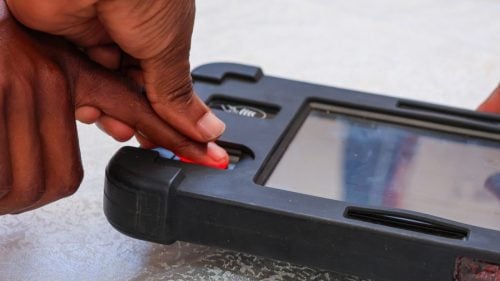
Once a popular initiative is launched, the Independent Electoral and Boundaries Commission (IEBC) is tasked with authenticating the submitted signatures. Upon successful verification, the proposal is forwarded to county assemblies, where at least 24 out of the 47 counties must approve it before it can move to Parliament.
If Parliament determines that all constitutional thresholds have been met, the IEBC then proceeds to organise and oversee the referendum. The commission is also responsible for conducting voter education, managing the voting exercise, and officially declaring the results.
For a referendum to succeed, it must secure more than half of the valid votes cast nationwide. Additionally, the Constitution requires that at least 20 per cent of registered voters in a majority of counties support the proposal.
Author
Latest News








Advertisement
More on Insights