Advertisement
Ruto’s state visit to South Africa amid xenophobic violence sends wrong signal across Africa
Saturday 30th May, 2026 08:39 AM|
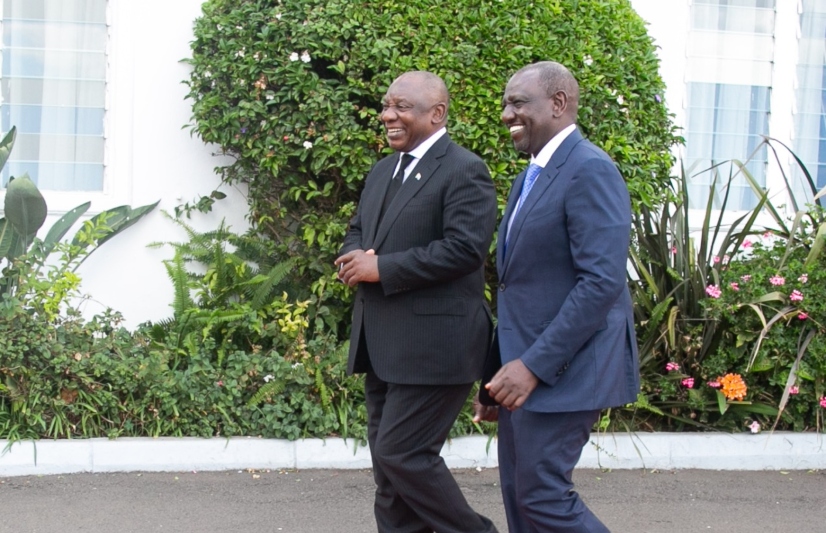
President William Ruto is set to depart for South Africa for a three-day state visit from June 3 to 5, 2026, following an invitation by South African President Cyril Ramaphosa.
However, Ruto’s planned state visit to South Africa comes at a politically sensitive moment, raising uncomfortable questions about timing, symbolism, and Africa’s struggle to confront rising xenophobic tensions within its own borders.
While the visit is officially framed as a diplomatic engagement aimed at strengthening trade and investment ties between Kenya and South Africa, it unfolds against a backdrop of renewed anti-immigrant sentiment, diplomatic boycotts, and growing insecurity among African migrants living in South Africa.
Diplomatic boycott of Africa Day
In May 2026, African ambassadors and diplomats in South Africa boycotted the 63rd Africa Day celebrations, also referred to as Africa Union Day, held in Moruleng, North West Province.
You Might Also Like


The boycott, which affected official commemorations, was widely seen as a coordinated diplomatic protest over rising xenophobic violence and anti-immigrant marches in parts of the country.
The decision was said to have been led by the Dean of the African Diplomatic Corps in South Africa and reflected a broader consensus among African missions that safety conditions for foreign nationals had become increasingly uncertain.
Diplomats expressed concern that they could not guarantee the safety of foreign nationals attending large public events amid escalating tensions.
A senior Ghanaian diplomat was quoted as confirming that no African ambassador attended any official Africa Day event in South Africa this year, underscoring the scale of diplomatic unease.
In April 2026, Ghana summoned South Africa’s top envoy to the country over reported acts of intimidation and harassment against its citizens and other African migrants in the southern African nation.
At the time, video clips had been shared online showing vigilante groups attacking and confronting people they believed were in South Africa illegally; in one of them, they challenged a Ghanaian man over his status.
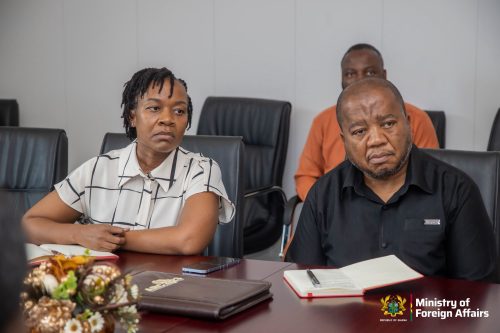
Ghana’s foreign affairs ministry said it had met South Africa’s acting high commissioner to Ghana, Thando Dalamba, and raised a formal protest over the recent xenophobic incidents against foreigners, including its citizens.
Rising xenophobic sentiment
South Africa has in recent months witnessed renewed waves of xenophobic rhetoric and protests linked to unemployment, illegal immigration debates, and sporadic demonstrations targeting foreign nationals.
Reports have emerged of harassment during protests, including demands for residency documents and identity checks targeting African migrants in public spaces.
These developments have contributed to growing fear among migrant communities, including thousands of Kenyans who live, work, and study in South Africa.
Kenya issues safety advisory to citizens
The situation has prompted formal advisories from diplomatic missions, including the Kenya High Commission in Pretoria.
In an advisory issued on Monday, May 4, 2026, the mission urged Kenyan nationals to remain vigilant amid rising tensions and isolated incidents affecting foreign nationals in some parts of the country.
“The Kenya High Commission in Pretoria wishes to advise all Kenyan nationals residing in the Republic of South Africa to exercise caution and remain vigilant in light of recent demonstrations and isolated incidents reported in some parts of the Republic of South Africa affecting foreign nationals,” the statement read.
Kenyans were further advised to avoid protest-prone areas and to closely follow security updates issued by local authorities.
State visit in a climate of unease
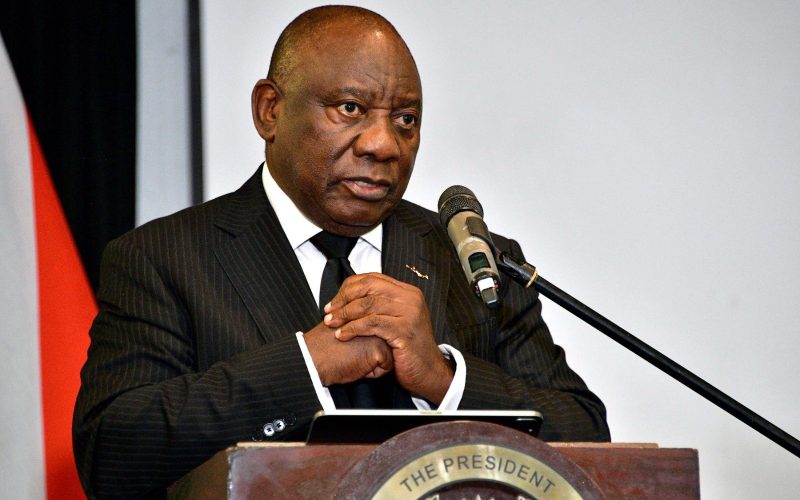
It is within this environment that President Ruto’s state visit to Pretoria must be viewed not merely as a routine diplomatic engagement but as a political message interpreted across a continent increasingly sensitive to intra-African mobility and the treatment of foreign nationals.
The optics are unavoidable: while African diplomats have collectively boycotted major public celebrations in South Africa over safety concerns, a high-profile state visit is proceeding as planned.
The contrast raises questions about whether diplomatic engagement is being used to normalise conditions that many African states themselves have quietly protested.
State visits are not only about trade agreements and bilateral memoranda; they are also symbolic endorsements of stability, governance, and mutual trust.
Proceeding with a high-level visit in the middle of documented xenophobic tensions risks sending mixed signals, particularly to African migrants who continue to face uncertainty in parts of South Africa.
However, Ruto’s supporters may argue that engagement, not isolation, remains the most effective diplomatic tool to address shared continental challenges, including migration governance, youth unemployment, and security cooperation.
The broader issue highlighted by this moment is Africa’s unresolved contradiction: a continent that preaches unity and free movement under the African Union framework, yet struggles with internal hostility toward migrants from neighbouring states.
The boycott of Africa Day events and the subsequent diplomatic caution reflect an emerging reality: African states are increasingly willing to publicly signal discomfort over xenophobia within the continent’s largest economies.
President Ruto’s state visit to South Africa is therefore unfolding under a cloud of diplomatic sensitivity and public scrutiny.
Beyond the formalities of bilateral talks and business forums, the visit will be watched closely for what it says, and what it fails to say, about Africa’s collective response to xenophobia and the safety of its citizens abroad.
Author
Mustafa Juma
View all posts by Mustafa JumaLatest News




Advertisement
More on Insights