Advertisement
Police recruitment: Why Harun Mwau stopped the hiring of 10K new cops
Friday 03rd October, 2025 08:56 AM|

The government’s long-standing run-ins with the courts have once again come with the temporary suspension of the planned police recruitment exercise by the Employment and Labour Relations Court on Thursday, October 2, 2025, following a petition by former Kilome MP Harun Mwau.
The exercise, which would see 10,000 officers recruited, was set to begin on Friday, October 3, 2025.
Central to the former Kilome MP’s petition were concerns over the NPSC’s authority and potential unconstitutional actions.
According to his application, Mwau argued that NPSC has purported to usurp the powers of the IG and NPS in respect of the recruitment of members of NPS, without any colour of authority, and intends to proceed with this unconstitutional exercise.
NPS and NPSC mandates
You Might Also Like
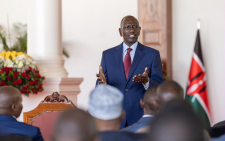


Among its mandates as an independent body in Kenya responsible for managing the human resources of the National Police Service, the NPSC is also tasked with the vital role of constitutional compliance.
It ensures that the police service abides by the constitutional values such as transparency, accountability, integrity, and diversity in its operations and service delivery.

However, Mwau has cited an overreach of its authority by claiming the power to recruit police officers, which he believes rests with the Inspector General (IG) of Police and the National Police Service (NPS).
Police payroll debate
The dispute on whose responsibility it is to manage the police payroll, a determination the court is set to pronounce on, has emerged as another sticking issue that influenced the court’s conservatory orders.
This legal and constitutional standoff comes about as both entities claim to be the rightful jurisdiction to perform the function.
The Inspector-General (IG) of the NPS maintains that under Article 245 of the Constitution, the IG has operational and independent command of the police service. The IG considers payroll administration to be a financial function that falls under this authority.
On their part, the NPSC claims to reserve the responsibility under Article 246 of the Kenyan Constitution.
They contend that the act gives it control over human resource functions such as recruitment, promotions, transfers, and discipline, including payroll management.
What’s next
As the government and stakeholders await a verdict that could set a precedent for future recruitment exercises, the role of institutions in ensuring accountability and transparency in public service hiring is under intense scrutiny.
Already, the National Police Service has expressed commitment to upholding the law and complying with court orders.
In addition, the determination of the petition will largely influence the future of police recruitment in Kenya.
In his ruling, Justice Hellen Wasilwa directed the respondents—including the NPSC and the Inspector General—to file their responses within seven days.
Author
Latest News








Advertisement
More on Insights