Advertisement
Kenya’s mid-year harvests bring relief, but hunger threat looms
Sunday 14th September, 2025 08:49 PM|

Kenya’s mid-year harvests have eased hunger for millions, but experts warn that food insecurity could worsen in the coming months. According to the Integrated Food Security Phase Classification (IPC), 1.8 million Kenyans faced high levels of acute hunger between July and September 2025.
Forecasts indicate this could rise to 2.1 million by January 2026 if rainfall underperforms and other pressures persist.
The improvement over early 2025, when 2.2 million people were food insecure, is attributed to the strong rains from March to May across several regions. These rains boosted crop yields and replenished water sources, supported livestock health, stabilising milk production, and helped households in arid and semi-arid lands (ASALs) access more food.
Highland districts harvested reasonable amounts of maize and staples, reducing immediate food stress. Pastoralists benefited from improved pasture growth, temporarily supporting household nutrition.
You Might Also Like
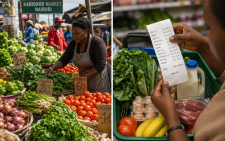


Despite progress, many regions remain at risk. Agro-pastoral and marginal farming areas reported crop failures 40–70 per cent below normal. Coastal and lowland regions also faced significant production shortfalls.
The northern counties of Turkana, Mandera, Marsabit, and Baringo experienced 179,000 people in emergency-level hunger (IPC Phase 4). The rest of the 1.8 million faced crisis-level hunger (Phase 3).
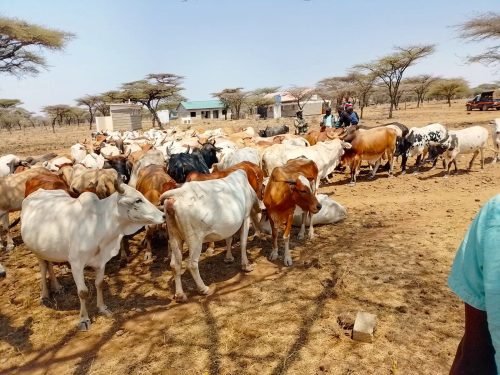
Rising food prices and market pressures
Staple food costs have surged, affecting household budgets. Maize prices rose high compared to last year. Elevated fuel costs and transport bottlenecks contributed to higher prices.
Pastoralists also face poor terms of trade, with livestock prices lagging behind rising cereal costs. This combination forces households to purchase food earlier and faster, stretching limited incomes.
The outlook for October–December 2025 is concerning. Forecasts indicate below-average rainfall due to La Niña and a negative Indian Ocean Dipole.
Reduced rains could lower staple yields, raise prices, and increase competition for grazing and water resources. IPC projects 2.1 million people in Phase 3 or above by January 2026:
- About 2 million in crisis-level hunger (Phase 3).
- About 160,000 in emergency conditions (Phase 4).
Nutrition concerns
Malnutrition remains a critical concern. 741,883 children aged 6–59 months will require treatment for acute malnutrition, including 178,938 severe cases. 109,462 pregnant and lactating women will also need nutritional support.
Although these figures show a small reduction from 2024, the drop partly reflects fewer screening activities due to funding gaps. Hotspots for malnutrition include:
- Turkana, Mandera, Marsabit, Baringo (highest risk).
- Garissa, Wajir, Tana River (~15 per cent of population at risk).
- Samburu (~10 per cent), and semi-arid counties such as Kitui, Kwale, Meru, Lamu (10–15 per cent).
Funding shortfalls have also worsened the situation. World Food Programme reached only 165,000 people in early 2025, while National safety nets scaled back, and the National Drought Management Authority suspended programmes in August 2024. Stock-outs of therapeutic foods and reduced outreach also weakened early detection and treatment.
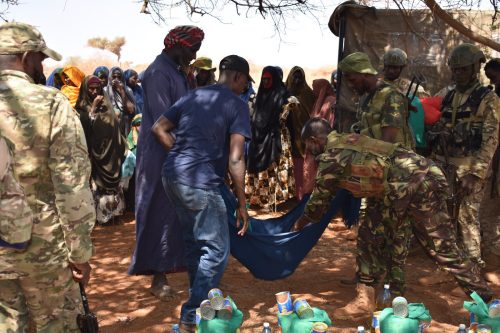
Steps to prevent a crisis
Experts urge immediate action to avoid worsening hunger. Thes actions include:
- Replenish nutrition supplies and expand aid distribution.
- Stabilise food prices through targeted subsidies.
- Improve transport and logistics to reduce market bottlenecks.
- Resolve conflicts over grazing and water resources.
If rainfall meets forecasts or global prices ease, the crisis may moderate. Without intervention, Kenya risks a wider hunger emergency by early 2026.
Author
Kenneth Mwenda
Kenneth Mwenda is a business, sports, and politics digital writer with over seven years of experience in journalism, covering breaking news, feature stories, and in-depth analysis across a range of beats.
For inquiries, he can be reached at [email protected]
View all posts by Kenneth MwendaLatest News








Advertisement
More on Insights