Kenya Aviation strike: JKIA flights, delays and what travellers should know before flying
By Aloys Michael, July 19, 2026Travellers planning to fly in Kenya next week have been warned to prepare for possible delays and disruptions after the Kenya Aviation Workers Union (KAWU) issued a seven-day strike notice.
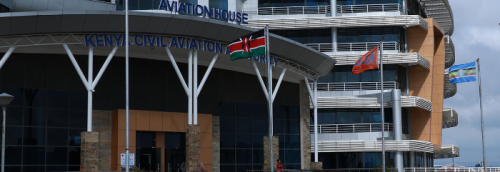
The planned industrial action is expected to begin on Monday, July 20, 2026, and could affect employees working at the Kenya Civil Aviation Authority (KCAA), Kenya Airports Authority (KAA) and airlines.
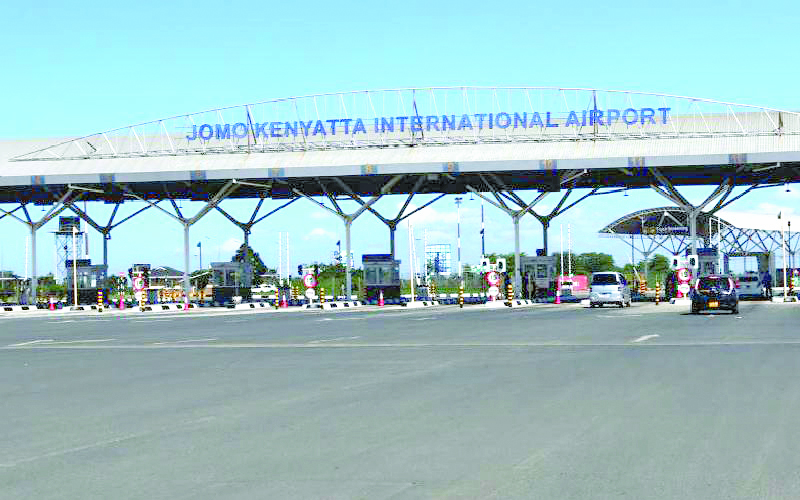
The strike threat has raised concerns over possible disruptions at Jomo Kenyatta International Airport (JKIA) in Nairobi and other airports across the country, with passengers facing potential delays, longer processing times and changes to flight schedules.
KAWU says the planned strike has been triggered by unresolved labour disputes and what the union describes as continued violations of Collective Bargaining Agreements (CBAs).
The union has accused aviation institutions of failing to fully implement previous commitments relating to workers’ welfare, employment terms, salaries and working conditions.
Speaking on Friday, July 17, KAWU Secretary General Moss Ndiema said workers support the growth of Kenya’s aviation sector but cannot accept development that comes at the expense of employees’ rights.
The union is now demanding urgent intervention from relevant authorities to resolve the dispute before the strike begins.
Impact on flights
If the strike proceeds, passengers could experience delays in airport services, longer queues during check-in and security procedures, slower passenger handling and possible changes to flight schedules.
Domestic and international travellers using JKIA and other airports may face disruptions depending on the number of workers participating and whether a solution is reached before the strike date.
Airlines may adjust operations based on available staff and airport conditions, meaning the impact could vary between different routes and destinations.
Jomo Kenyatta International Airport is expected to be among the most closely monitored facilities because it handles the largest share of Kenya’s international passenger traffic.
Passengers travelling through JKIA may experience longer waiting times, delays in departures or arrivals and slower airport processing services.
Other airports, including Moi International Airport in Mombasa and Kisumu International Airport, could also experience disruptions if the industrial action affects airport operations nationwide.
What travellers should do
Passengers scheduled to travel during the strike period should confirm their flight status directly with their airline before leaving for the airport.
Travellers are also advised to arrive earlier than usual to allow extra time for check-in, security screening and boarding procedures.
Keeping travel documents, booking details and identification documents ready can help reduce delays during busy airport periods.
Passengers with connecting flights should also prepare for possible schedule changes and avoid tight travel arrangements where possible.There is currently no confirmation that all flights will be cancelled if the strike begins.
The impact on individual airlines will depend on the number of workers involved, airport operating conditions and contingency plans developed by aviation companies.
Passengers should rely on official airline communication for confirmed information about delays, cancellations or alternative travel arrangements.
The latest strike notice follows a similar aviation workers’ dispute earlier this year.
In February, KAWU members suspended operations at several airports over concerns including employment terms, salaries, working conditions and delayed implementation of labour agreements.
The dispute was later suspended after discussions between the union, government officials and aviation stakeholders resulted in a return-to-work agreement.
However, KAWU says some commitments from those talks have not been fully implemented, leading to the latest strike threat.