Advertisement
Governors, Senate and fight over graft: accountability or political clash?
Friday 20th February, 2026 02:01 PM|

Some of the county governors in Kenya have been in the spotlight in recent years, particularly in their interactions with the oversight committees in the Senate of Kenya related to perceived abnormalities in the utilisation of public funds.
What was supposed to be simple accountability has soon turned into a political hotbed. Several governors, via the Council of Governors (CoG), have resisted frequent Senate summonses, claiming some senators intimidate and harass, and some even allege extorting their way out when brought to the committee by governors. These assertions have witnessed governors officially boycotting CPAC hearings and insisting on the re-established setup of the committee.
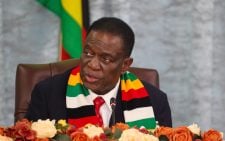
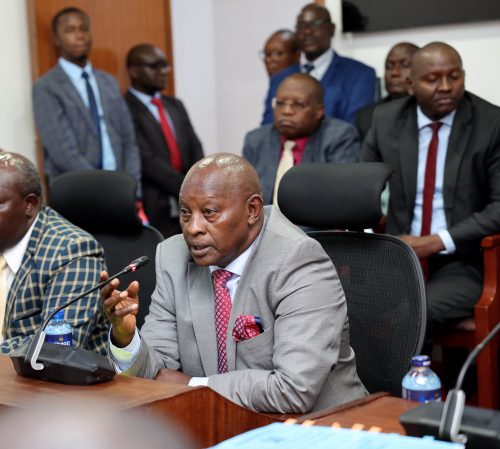
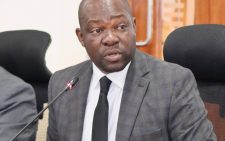
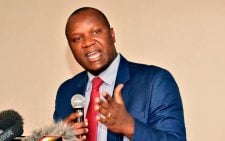
“The CoG notes with great concern the continuous political witch-hunt, harassment, intimidation, and humiliation of governors by certain senators when they appear before the Public Accounts Committee of the Senate,” CoG Chairperson Ahmed Abdullahi said.
Role of the Senate CPAC
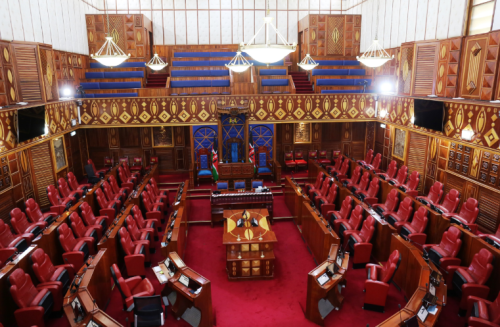
What began as nothing more than an audit follow-up has frequently resulted in constitutional standoffs, claims of harassment, and larger arguments concerning corruption and political accountability in devolved politics. The Constitution requires the County Public Accounts Committee (CPAC) of the Senate to review the financial statements prepared by the county governments and enquire of the county executives, including governors, on matters raised by the reports prepared by the Auditor-General.
You Might Also Like
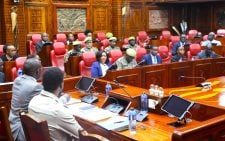


The purpose of these hearings is to make it transparent and prevent the misuse of resources of taxpayers. Nevertheless, as a matter of fact, the Senate appearances have been disputed and confrontational at one point or another.
In 2025 and early 2026, several governors received requests to answer audit questions related to such aspects as dubious spending and the apparent misappropriation of county money. Governors such as Erick Mutai, Governor of Kericho, and Abdi Guyo of Isiolo were repeatedly called to the Senate after audit reports were used to raise questions about inconsistency and gaps in financial reporting.
Failure to attend ran the risk of being sanctioned by the Senate, such as being in contempt of Parliament. In other cases, governors have been summoned to national bodies like the Ethics and Anti-Corruption Commission (EACC) following Senate scrutiny of serious cases of graft. An example of this is the Busia Governor, Paul Otuoma, who was summoned by the EACC over claims of irregular procurement and revenue diversion totalling approximately Ksh1.4 billion, an investigation that was instigated partly by the apprehensions that were brought up during the Senate oversight interactions.
Implications for Devolved Governance
This tension has been fuelled by accusations that some of the senators, including the high-profile members of the committee, have sought bribes or resorted to corrupt acts themselves, with some even acknowledging having been offered cash offers by governors who wanted favourable treatment.
Proponents of effective supervision claim that governors need to be answerable for social resources and that hard interrogation is a valid control on corruption. The most common objection by governors who oppose the use of aggressive tactics is that it is disrespectful to the Constitution and makes it difficult to distinguish between oversight and political witch-hunting.
This stalemate is a test of the devolved governance of Kenya, with the two arms of government fighting to establish the right boundaries of scrutiny, fairness, and accountability, with the eyes of the people who are fed up with corruption and yet sensitive to constitutional rights.
Author
Latest News




Advertisement
More on Insights