From Ksh5.3B cut to full funding: Worrying numbers amid Ruto’s university pledge
By Sharon Atieno, July 26, 2026President William Ruto’s promise to fully fund university and college education has reignited debate over the country’s higher education financing model.
The president recently promised that every student who qualifies for placement in a university or college will receive full government funding, saying admission should be the only barrier to accessing higher education.
But the promise comes against the backdrop of declining government funding to public universities.
According to the KNBS Economic Survey 2026, government funding to public universities fell from Ksh16.9 billion in the 2024/25 financial year to Ksh11.6 billion in 2025/26, a reduction of Ksh5.3 billion.
This is happening as the number of government-funded students rises by 81.6 per cent to 355,140. And that is where the real debate begins.
More students, less money
The government is promising to expand access to university education at a time when the institutions providing that education are receiving less funding.
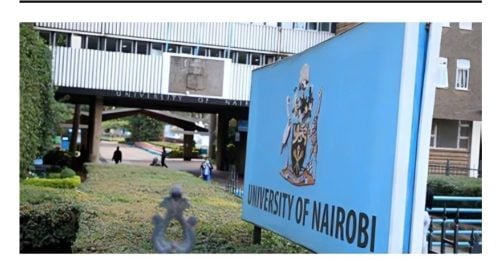
The University of Nairobi’s allocation fell to Ksh534.79 million, while Jomo Kenyatta University of Agriculture and Technology received Ksh474.83 million. Egerton University’s funding dropped to Ksh365.24 million.
Other universities have also faced significant reductions.
This raises a simple but difficult question: how can Kenya promise full university funding while reducing the money going to universities?
A university cannot run on admission numbers alone.
It requires lecturers, laboratories, libraries, research funding, equipment and infrastructure. All these require money.
Full funding’ must include universities
The president has argued that education is central to national development.
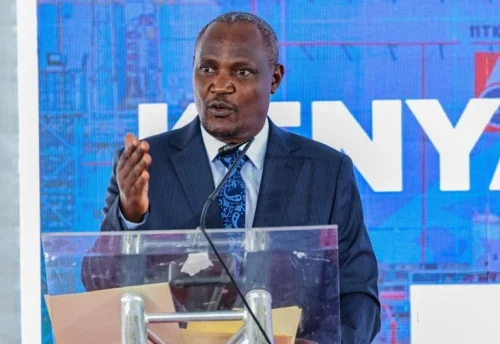
“Going forward, any student, so long as they have passed their examinations and they have been placed in a college or university, will get full funding for their higher education,” Ruto said.
That is an ambitious promise.
But if the government is serious about fully funding higher education, then the funding must go beyond the student.
It must also adequately support the institutions where that education is delivered.
The real test is the budget
The danger is creating a system where access expands on paper while universities struggle financially.
More admissions without adequate institutional funding could mean overcrowded facilities, delayed salaries, mounting debts and declining quality of education.
The president’s promise could mark a major turning point for higher education if backed by a sustainable financial plan.But the numbers must add up.
Kenya cannot promise more students, full funding, and quality education while simultaneously reducing university allocations.
The real question is not whether the government can make the promise.
It is whether it can afford to keep it.