Finance Bill 2026: Why fuel crisis and tax pressure are deepening Ruto’s political troubles
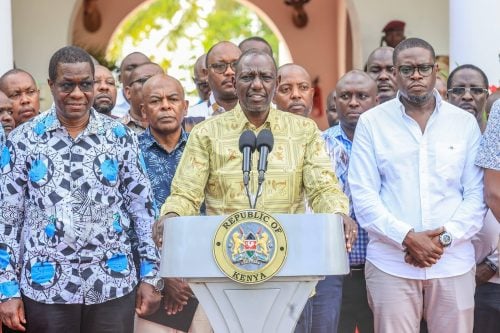
By Aloys Michael, May 23, 2026President William Ruto is facing mounting political pressure as Kenya heads into a tense national budget season marked by rising fuel prices, public anger over the cost of living, and fears that the proposed Finance Bill 2026 could ignite another wave of nationwide protests.
Recent unrest linked to fuel price hikes has already exposed growing frustration among Kenyans struggling with high transport costs, inflation, and economic hardship.
According to unreviewed Kenya data from the Armed Conflict Location & Event Data Project (ACLED) covering the period between 16 and 18 May 2026, demonstrations spread rapidly across several counties, including Kiambu, Kilifi, Kirinyaga, and parts of the Nairobi metropolitan region.
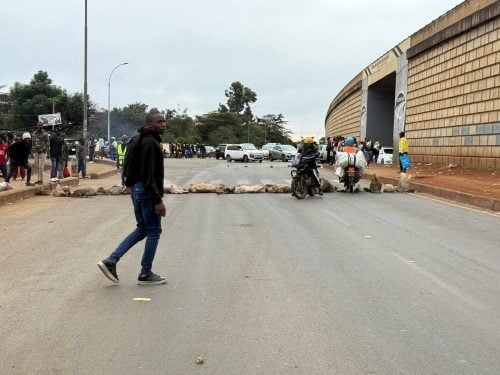
The protests, largely led by public service vehicle operators and residents, saw demonstrators block major highways with burning tyres, stones, and bonfires in opposition to increased fuel prices.
In Juja, protesters barricaded sections of the Thika Superhighway, while in Kikuyu and Ruiru, roads were blocked as police moved in to disperse crowds.
The unrest turned deadly in some areas. ACLED data indicates that police fired live ammunition during demonstrations in Gachie and Kiambu town, leaving at least two people dead.
ACLED’s Kenya researcher warned that the violence reflects a broader pattern of unrest that has intensified since the current administration took office in 2022.
“Following the growing pattern of nationwide unrest since the current administration came to power in 2022, the latest riots quickly turned violent,” the researcher said.
“Demonstrators erected burning barricades on roads leading into major cities and towns, looted and vandalised businesses, torched nine trucks and a private vehicle, set fire to a ruling party office, and hurled stones at the entourage of a member of parliament, among other incidents. Security forces responded with tear gas, live ammunition, and mass arrests in an effort to contain the unrest. ACLED records at least eight fatalities on the first day of the demonstrations alone.”
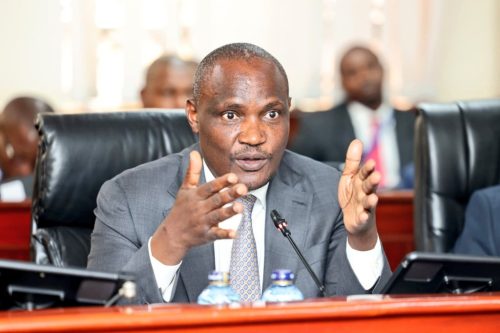
Although calm has largely returned after negotiations between transport operators and the government, analysts say the crisis has heightened political risks for Ruto ahead of the Finance Bill 2026 debate in Parliament.
The government is expected to pursue new austerity measures and revenue-raising proposals as it struggles with mounting debt obligations and pressure from international lenders.
Tax burden
However, any additional taxes or subsidy cuts are likely to deepen public resentment in a country already grappling with soaring living costs.
ACLED warned that the upcoming budget process could trigger renewed instability.
“Although calm has since returned following negotiations with the government, the riots have heightened tensions ahead of what is expected to be a particularly contentious national budget season,” the researcher said.
“In the short term, the government’s anticipated push for further austerity measures through the Finance Bill 2026, which it is proposing against the backdrop of a fragile economy, is likely to fuel renewed public anger and increase the risk of further unrest across the country.”
The warning comes as memories remain fresh of previous anti-tax demonstrations that shook Kenya and significantly damaged public confidence in the government.
The economic grievances are now becoming central to the country’s political landscape ahead of the 2027 General Election.
“In the long term, the riots are likely to shape the upcoming 2027 general election campaign agenda on reducing the cost of living more generally,” ACLED added.
For Ruto, the challenge is becoming increasingly slippery to balance fiscal reforms demanded by the state’s financial realities while containing public anger from citizens already burdened by rising taxes and fuel prices ahead of the 2027 polls.