Explainer: What to know about Kakamega’s suspected African swine fever outbreak
By Aloys Michael, July 10, 2026Kakamega County has issued a public alert following a suspected African Swine Fever (ASF) outbreak in Shinyalu and Ikolomani sub-counties after reports of widespread pig deaths, prompting heightened surveillance and renewed calls for strict biosecurity measures.
The county government says veterinary officers have collected samples for laboratory testing to establish whether African Swine Fever is responsible for the deaths. While the disease is yet to be confirmed, authorities have urged pig farmers, traders, transporters and pork consumers to remain vigilant and comply with disease control measures to prevent further spread.
African Swine Fever is a highly contagious viral disease that affects domestic pigs and wild boars. It is caused by the African swine fever virus (ASFV) and is regarded as one of the most devastating diseases affecting pig farming because it can kill up to 100 per cent of infected animals. Although the disease poses a major economic threat to farmers, it does not infect humans and is not considered a public health risk.
The suspected outbreak in Kakamega follows routine disease surveillance that detected unusual pig deaths affecting animals of different ages and sexes. Preliminary investigations indicate the disease may be African Swine Fever, but county officials say only laboratory tests can confirm the diagnosis.
Disease spread
African Swine Fever spreads easily through both direct and indirect contact. Healthy pigs can become infected after coming into contact with sick pigs or their blood, saliva, urine, faeces and other body fluids. The virus can also survive for long periods in pork and pork products, making the movement of infected animals and contaminated meat one of the biggest drivers of outbreaks.
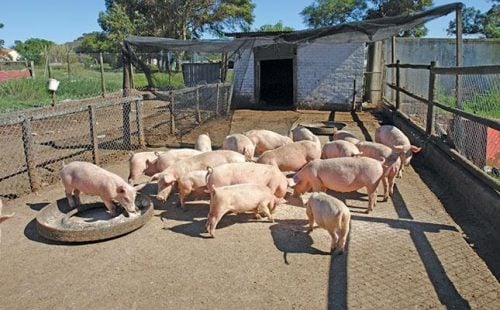
According to the Kakamega County advisory, the disease can also spread through contaminated feed and water, farm equipment, vehicles, clothing and footwear used on infected farms. Contact with infected wild pigs or contaminated environments further increases the risk of transmission.
Authorities say poor farm hygiene, inadequate biosecurity and uncontrolled movement of pigs between farms, markets and slaughterhouses create ideal conditions for the virus to spread rapidly.
Farmers are being urged to watch out for common symptoms associated with African Swine Fever, including high fever of between 40 and 42 degrees Celsius, loss of appetite, weakness, reddening of the skin, bluish discoloration of the ears, snout and tail, difficulty breathing, diarrhoea, internal bleeding, abortions in pregnant sows and sudden deaths affecting pigs across different age groups.

While the disease does not affect humans, consumers have been advised to buy pork only from licensed slaughterhouses and outlets where meat has been inspected and approved by veterinary and public health officers. Authorities also discourage the purchase or consumption of meat from sick animals or pigs that died from unknown causes, as doing so undermines disease control efforts.
Control measures
There is currently no cure and no widely approved vaccine for African Swine Fever, making prevention the most effective way to protect pig herds. Once the disease is confirmed on a farm, veterinary authorities focus on containing its spread through quarantine, movement restrictions, surveillance and the safe disposal of infected carcasses.
Kakamega County is advising farmers to strengthen farm biosecurity by keeping pigs in secure housing, restricting unnecessary movement of animals, regularly cleaning and disinfecting pig houses, equipment and vehicles, providing clean feed and water, and limiting visitors to pig farms. Farmers have also been urged to avoid slaughtering, transporting or selling sick pigs and to immediately report unusual illnesses or sudden pig deaths to the nearest veterinary officer.
As laboratory tests continue, county officials say cooperation from farmers, traders and transporters will be critical in preventing the suspected outbreak from spreading further. Early reporting, strict adherence to veterinary advice and improved biosecurity remain the most effective tools in protecting livelihoods and safeguarding Kakamega’s pig industry if African Swine Fever is confirmed.