Explainer: How Trump triggered oil spike ahead of EPRA’s fuel prices review
By Aloys Michael, April 6, 2026A fresh wave of geopolitical tension has once again exposed how fragile global oil markets can be, and how quickly events thousands of miles away can hit Kenyan consumers at the pump.
Key in the current wave of concern is a well-known personality: United States (US) President Donald Trump. His recent hardline rhetoric toward Iran, including threats targeting critical infrastructure, has unsettled already sensitive energy markets.
The immediate result? A sharp spike in global oil prices just days before the next fuel price review by the Energy and Petroleum Regulatory Authority (EPRA).
To understand what is happening, one must first look at geography. The Strait of Hormuz, a narrow waterway between Iran and Oman, carries roughly 20 per cent of the world’s oil supply. It is one of the most strategically important transit routes globally. Any hint of disruption there sends shockwaves through international markets.
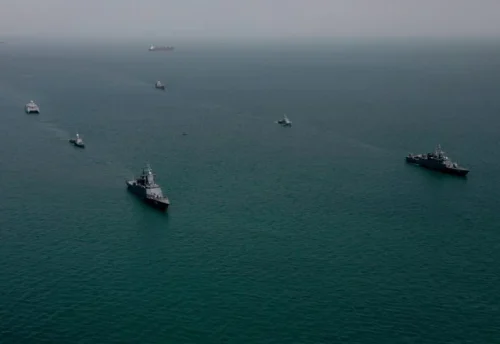
Trump’s warning, paired with Iran’s counter-threats, has raised fears that this crucial corridor could be partially or fully blocked. Even the possibility of such a disruption is enough to trigger panic buying and speculative trading, pushing oil prices upward.
That is exactly what happened. Brent crude surged past the Ksh1400 per barrel mark in early Asian trading, a level that signals immediate pressure on fuel-importing economies like Kenya.
Trump’s handball?
Oil markets are driven not just by supply and demand, but by expectations. Traders react quickly to uncertainty, and Trump’s unpredictable tone has amplified fears of escalation.
His suggestion that the US could blow everything up if negotiations fail may have been typical political bravado, but in energy markets, such statements carry real consequences.
For Kenya, the timing could not be more delicate as the country imports all its refined petroleum, meaning global price shifts are directly passed on to local consumers through EPRA’s monthly pricing formula.
The regulator adjusts fuel prices based on international costs, exchange rates, and supply chain expenses.

With EPRA set to review prices on April 14, 2026, the current spike in oil prices is likely to weigh heavily on its calculations. If high global prices persist, Kenyans could soon face increased costs for petrol, diesel, and kerosene.
But the impact goes beyond just pump prices. Rising oil costs typically translate into higher transportation expenses, which then feed into the price of goods and services. In simple terms, when fuel becomes more expensive, everything from food to bus fares tends to rise. This creates inflationary pressure, squeezing household budgets already under strain.
There is also another layer of concern: shipping and insurance. Tensions in the Gulf region have made shipping routes riskier. Tanker operators may demand higher insurance premiums to pass through the Strait of Hormuz, increasing the overall cost of delivering fuel.
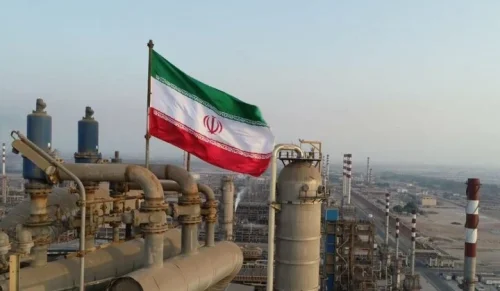
These additional expenses are ultimately reflected in the landed cost of petroleum products in Kenya.
Government officials, however, have sought to calm public fears.
President William Ruto’s administration has emphasised its commitment to stabilising fuel prices and protecting consumers from extreme volatility.
Fuel prices fears
The National Treasury says it is closely monitoring global trends, while the Energy Ministry has assured Kenyans that fuel supply chains remain intact.

Yet questions linger.
Kenya’s strategic fuel reserves are estimated to last just over two weeks. That timeline roughly coincides with the upcoming EPRA review, raising concerns about whether the country has enough buffer to shield consumers from sudden shocks.
In reality, Kenya has limited control over these global forces. What happens in the Middle East or what is said in Washington can ripple through to Nairobi within days.
That is the nature of a globalised energy market.
As EPRA prepares to announce its next price adjustment, Kenyans find themselves watching events far beyond their borders.
The hope is that diplomacy prevails and tensions ease. But for now, uncertainty reigns, and with it, the very real possibility of higher fuel costs in the days ahead.