Beyond the promises: Malava teachers push back on empty rhetoric
By Kiprono Keileb, August 6, 2025In a country where education is hailed as the ultimate equaliser, teachers have long been the silent workforce holding up the foundation of the nation.
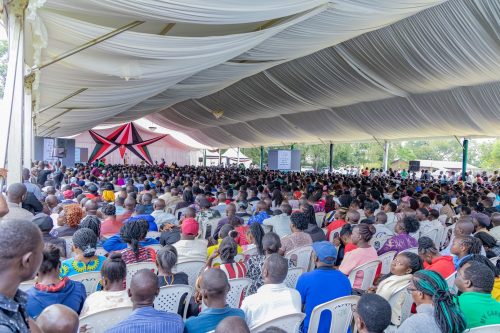
But in Malava Constituency, Kakamega County, silence gave way to sharp clarity as over 4,000 teachers gathered at Tande Secondary School on Tuesday, August 5, 2025, for what was billed as a “dialogue” on the future of education. What unfolded, however, was far more than a polite exchange; it was a declaration of frustration masked beneath polite applause.
Musalia Mudavadi, Kenya’s Prime Cabinet Secretary, took to social media to highlight the event, celebrating the “thought-provoking dialogue” and praising President Ruto’s education agenda. He cited the government’s allocation of Ksh702 billion to the education sector and restated plans to hire 20,000 teachers, review capitation models, and prioritise both teacher and student welfare. But behind the applause and smiles, a more complex and urgent narrative unfolded.
Teachers did not come to Tande for another dose of political reassurance. They came with questions. They came with receipts. And most importantly, they came with lived experience that often contradicts the grand plans inked in policy briefs.
For years, educators in rural Kenya have watched promises swirl around them like dry leaves in a storm: ambitious hiring plans, improved infrastructure, better pay, and digitisation of classrooms. But the reality on the ground remains stark. Classrooms are overcrowded, promotions are delayed, and resources are limited. In many counties, school administrators still rely on parents for desks and chalk. Capitation funds are often delayed or insufficient, leaving headteachers in a constant state of improvisation.
Mudavadi’s remarks about aligning with the President’s bold steps felt too familiar. President Ruto’s administration has promised education reform, and indeed, it has made significant budgetary allocations. But unless these funds are felt in classrooms through better infrastructure, consistent learning materials, and teacher welfare programmes, they remain figures on a spreadsheet.
What teachers truly demanded, though diplomatically, was accountability. “Where is the money going?” one might ask. If Ksh702 billion has been allocated, how is it translating to impact at the school level? When will the long-standing issue of delayed promotions and career stagnation be addressed?
It’s not just about being heard. It’s about being trusted, being respected, and most importantly, having a seat at the table where decisions are made. Education cannot be strengthened through top-down declarations; it must be co-created with those who wake up every morning to shape the minds of the future.
If the government wants to earn the trust of teachers, it must go beyond the optics of large gatherings and photo-ops. The people in that tent weren’t just attendees. They were voices of an entire sector on the edge of exhaustion. What they offered wasn’t just feedback. It was a plea for credibility.
The presence of senior government officials, including PS Raymond Omollo and Julius Bitok, showed that the government is willing to listen. The question now is: will it act? Or will the Malava forum join the growing list of town-hall events that generate headlines but no follow-through?
Kenya’s education sector doesn’t need more rhetoric. It needs implementation. It needs urgency. It needs leaders who will match their promises with action. And for the teachers of Malava, the message was clear: the time for talk is over. It’s time to deliver.